
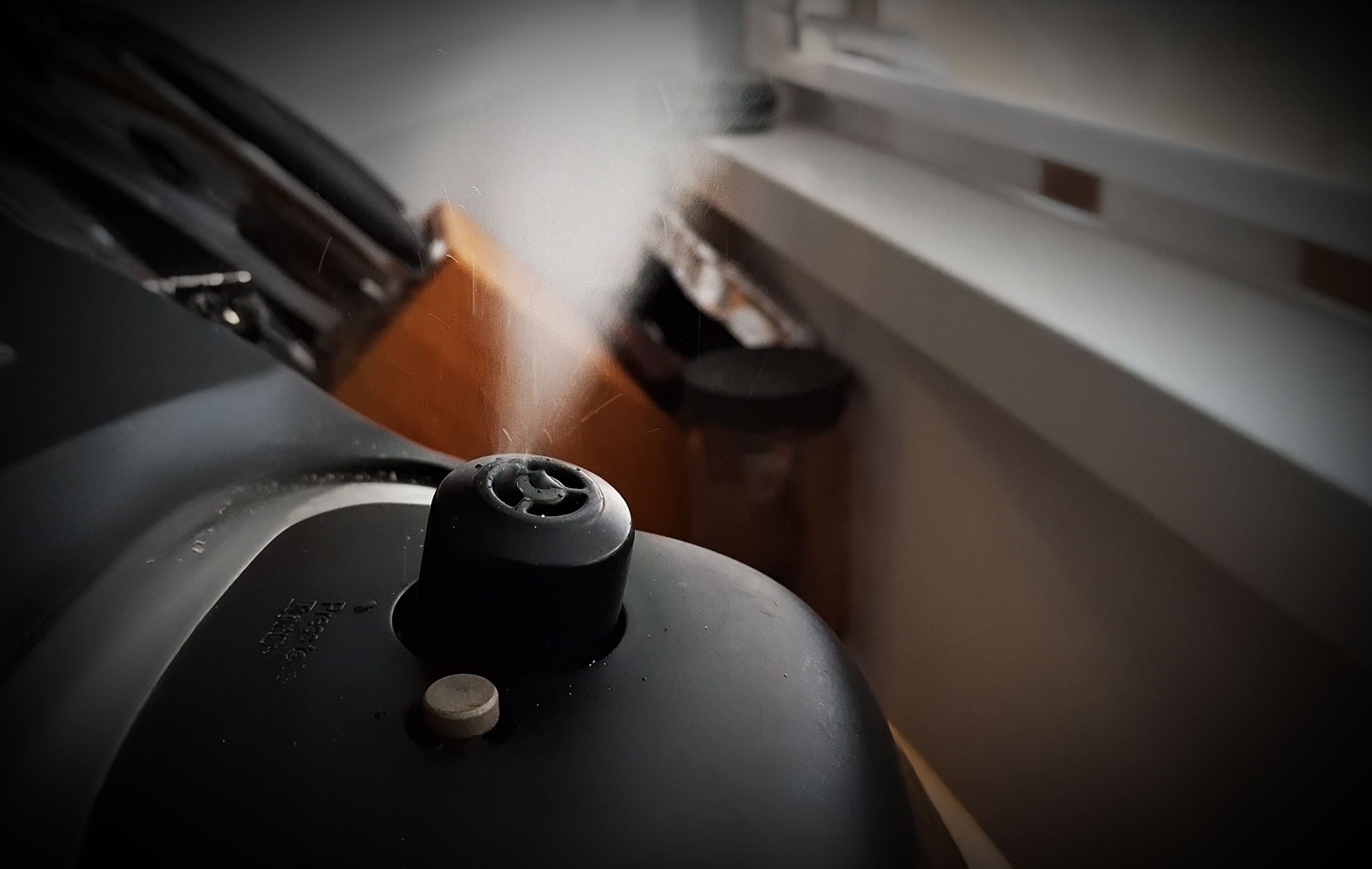
If you are dealing with Instant Pot undercooked food, the cooker is usually failing to build or maintain proper pressure. Pressure cookers rely on a sealed environment to reach the temperatures required for proper cooking.
When pressure leaks from the lid, float valve, or sealing ring, the Instant Pot cannot maintain pressure. As a result, the cooking cycle finishes but food may still be raw or partially cooked.
This guide explains the most common causes of Instant Pot undercooked food, how to diagnose pressure issues, and what steps you can take to fix the problem.
Quick diagnosis: Why your Instant Pot food is undercooked
Most common causes of Instant Pot undercooked food
- Damaged or improperly seated silicone sealing ring
- Float valve stuck or obstructed
- Lid not aligned or fully locked
- Debris blocking the float valve housing
- Worn or aging pressure components
Common symptoms
- Steam escaping from the float valve
- Float valve never rises during cooking
- Excessive hissing from the lid
- Cooking cycle finishes but food remains undercooked
- Pressure builds slowly or drops during cooking
How to fix Instant Pot undercooked food
Follow these troubleshooting steps to restore proper pressure cooking.
Step 1: Release pressure and unplug
Before inspecting the cooker, make sure all pressure has been released and unplug the appliance.
Safety reminder: Never attempt to open or clean an Instant Pot while it is pressurized.
Step 2: Clean the float valve and housing
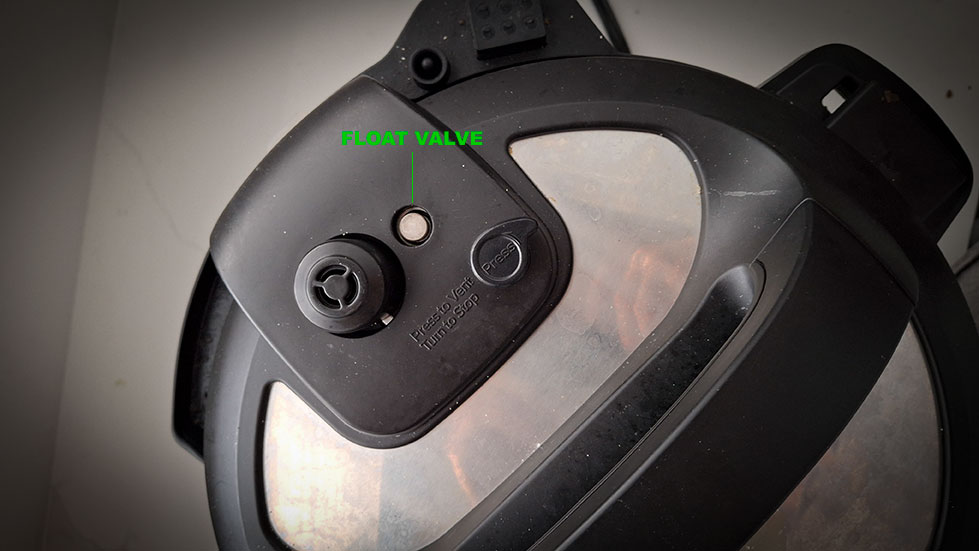
The float valve helps seal the cooker during pressurization. Food debris or residue can prevent it from sealing correctly.
Remove the float valve pin (if your model allows it), then wash the valve and housing using warm soapy water. A small brush can help remove buildup.
Dry all components completely before reinstalling.
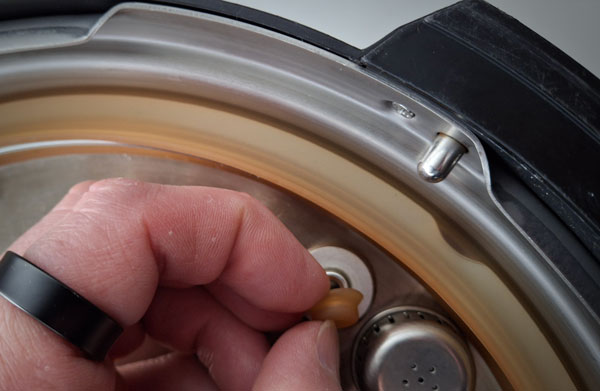
Expected result: The float valve should move freely and sit flush when pressure builds.
Step 3: Clean and reinstall the sealing ring
The silicone sealing ring is one of the most common causes of Instant Pot undercooked food.
Remove the ring and inspect it for:
- cracks
- warping
- stiffness
- lingering food residue
Wash the ring and reinstall it evenly in the lid groove.
Expected result: The sealing ring should sit flat with no twisting or gaps.
Step 4: Confirm the lid is properly aligned
If the lid is not aligned correctly, the cooker cannot seal.
Align the lid markers and lock the lid securely before starting the cooking cycle.
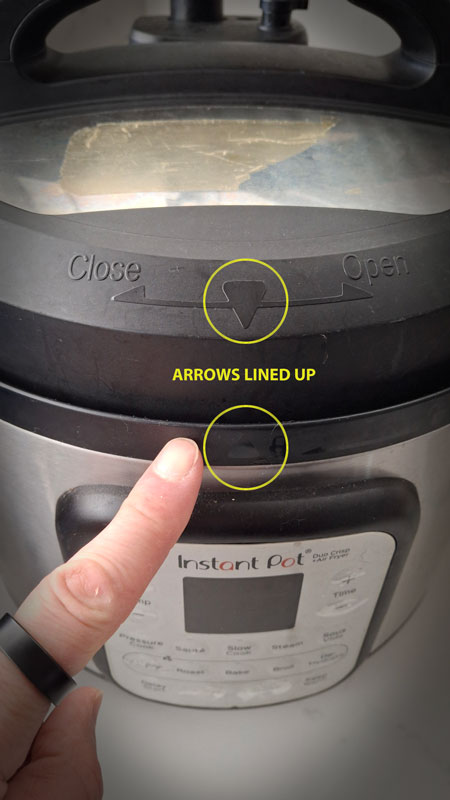
Tip: Never force the lid closed. If it resists locking, check the sealing ring and lid track.
Step 5: Run a pressure test cycle
Testing with water helps confirm whether the cooker can build pressure.
- Add 2 cups of water to the pot
- Set Pressure Cook for 5 minutes
- Watch the float valve during pressurization
Expected result:
The float valve rises and no steam escapes from the lid or valve.
Step 6: Replace worn pressure components
If your Instant Pot still produces undercooked food after troubleshooting, worn parts may be preventing a proper pressure seal.
Replacing these inexpensive components often restores normal pressure cooking performance.
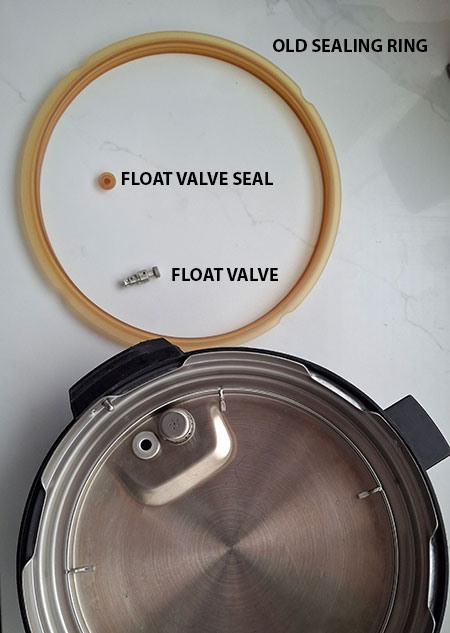
Recommended replacement parts
Parts Table
| Image | Part | Why it helps | Replacement guide | Buy on Amazon |
|---|---|---|---|---|
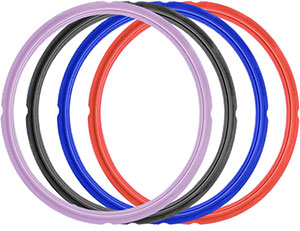 | Silicone Sealing Ring | Creates the airtight seal required for pressure cooking. A worn or warped ring commonly causes Instant Pot undercooked food. | INTERNAL_LINK_PLACEHOLDER | Buy on Amazon |
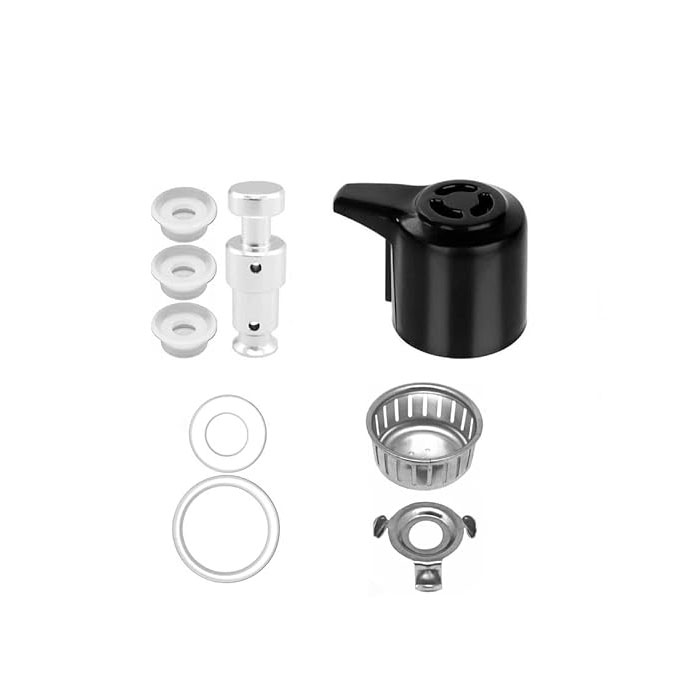 | Float Valve Assembly | The float valve seals the cooker during pressurization. If it sticks or leaks, pressure cannot build properly. | INTERNAL_LINK_PLACEHOLDER | Buy on Amazon |
Instant Pot undercooked food FAQ
Why does my Instant Pot leave food undercooked?
Undercooked food usually means the cooker did not maintain pressure. This often happens because of sealing ring damage, float valve problems, or lid alignment issues.
Can steam leaks cause Instant Pot undercooked food?
Yes. Steam leaks prevent the cooker from reaching full pressure, which lowers the cooking temperature and leaves food undercooked.
How do I know if my Instant Pot reached pressure?
The float valve should rise and lock in place during cooking. If it never rises or steam continuously escapes, pressure is not building correctly.
When should I replace the sealing ring?
Replace the sealing ring if it becomes cracked, stiff, warped, or if the cooker begins leaking steam and producing undercooked food.