
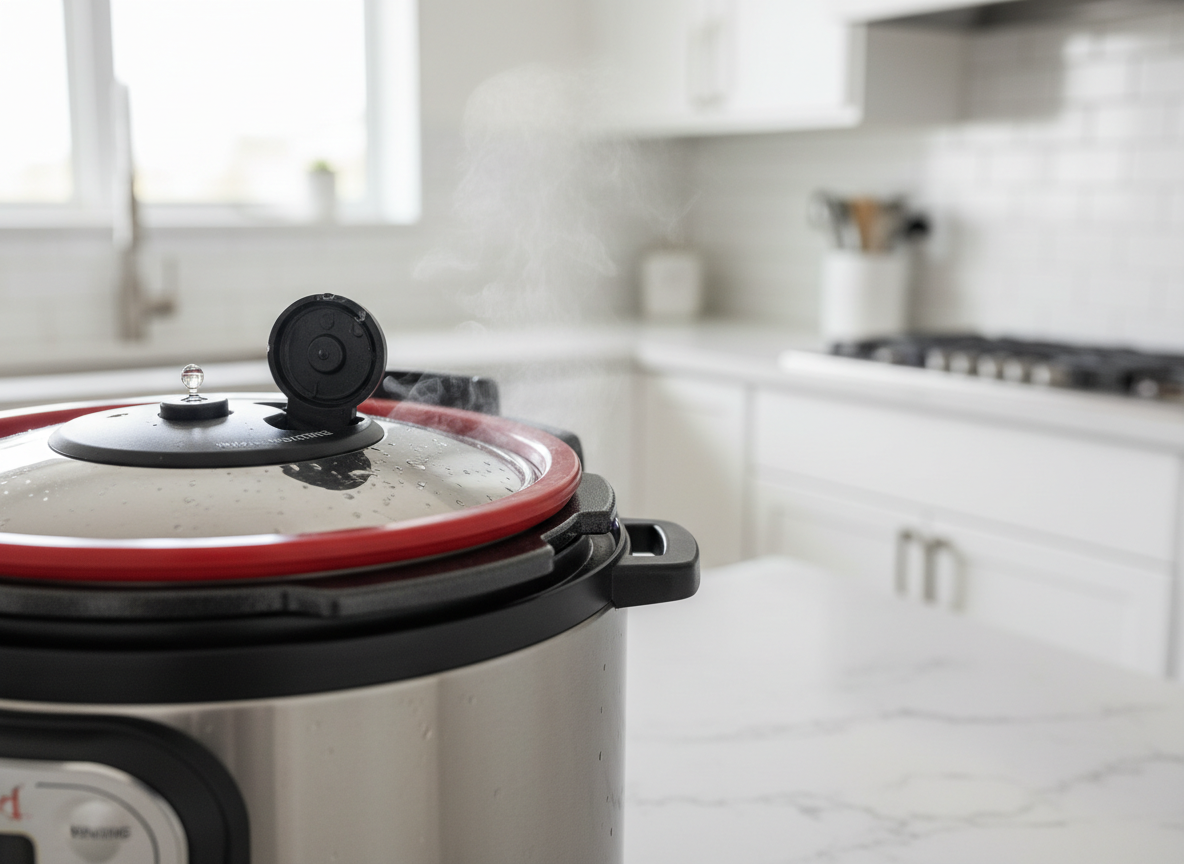
If your Instant Pot smells like burning plastic, it’s important to troubleshoot it promptly to avoid damage and ensure safe cooking. This guide helps you identify causes, fix the issue, and know when to replace parts.
Quick diagnosis
Most likely causes:
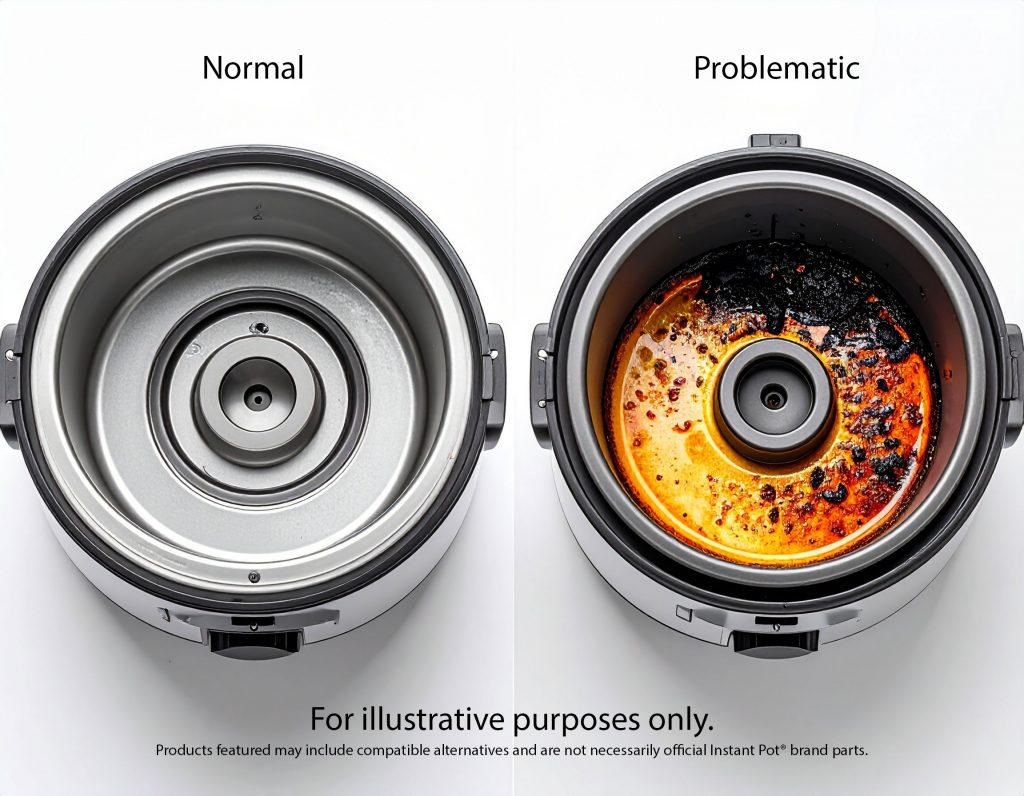
- Leftover food residue or spilled ingredients burning on heating element or inner pot
- Plastic components touching the heating element or steam release
- Damaged or degraded silicone sealing ring emitting odor when heated
- Improper placement of inner accessories causing contact with heating element
- Electrical component malfunction causing overheating
Common symptoms:
- Strong burning plastic odor during or after cooking
- Plastic flavor transferred to food
- Visible melted plastic or discoloration inside the pot or lid
- Unusual noises or smoke during operation
- Instant Pot failing to cook properly after smell appears
Step-by-step fix
Step 1: Unplug and Cool Down
Unplug the Instant Pot and allow it to cool completely before handling to avoid burns.
What you should see: Instant Pot is safe to inspect and handle.
Safety note: Always unplug before troubleshooting electrical appliances.
Step 2: Clean Inner Pot and Heating Element Area
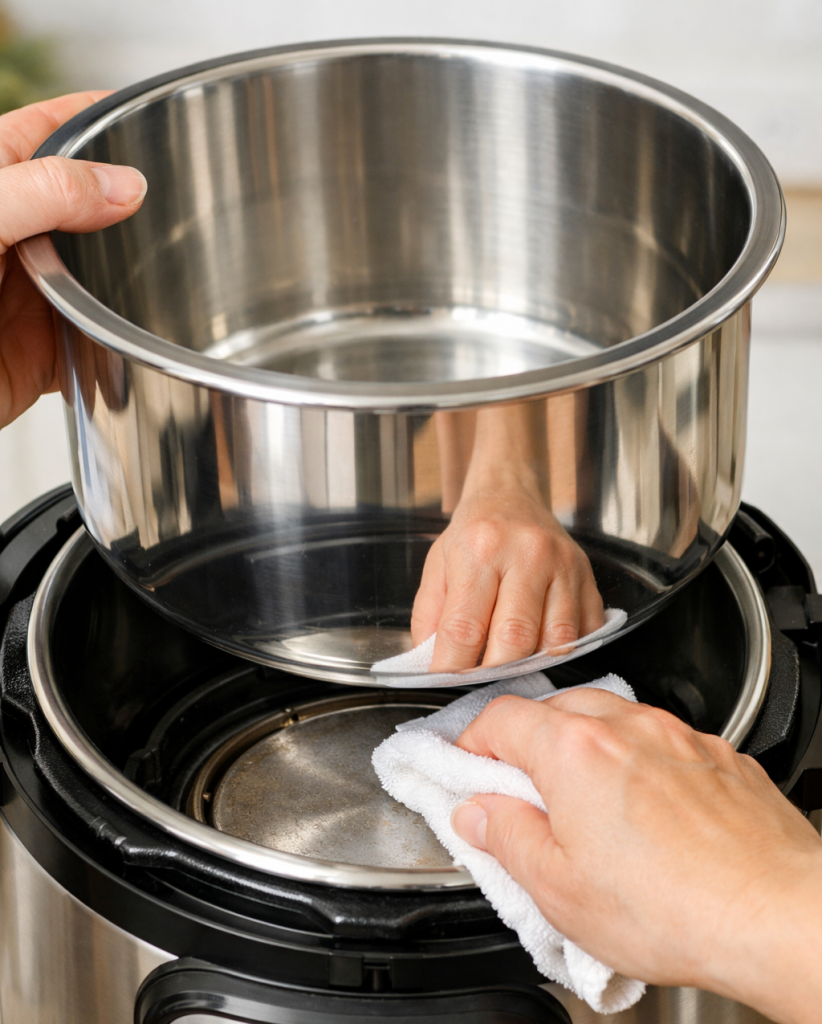
Remove the inner pot from your Instant Pot and wash it thoroughly using warm water, mild dish soap, and a non-abrasive sponge. Pay close attention to the bottom and sides where starches, fats, or sugars may have formed a thin film—these residues are a common source of overheating and burning odors.
Once the inner pot is removed, inspect the heating element (the flat metal disc at the base of the cooker). Using a slightly damp, lint-free cloth, gently wipe the entire bottom surface and the surrounding cavity. This step is critical because even small amounts of spilled liquid, oil splatter, or food debris can carbonize during heating and produce a persistent “burning plastic” or chemical smell.
Before reassembling, ensure all components are completely dry:
- Moisture trapped between the inner pot and heating element can interfere with heat transfer.
- Residual water can lead to inconsistent temperature regulation or trigger error codes.
What you should see:
A clean, dry interior with no visible residue, discoloration, or pooled liquid. The heating element should appear smooth and free of any baked-on material.
Safety note:
Never immerse the main cooker base in water or run it under a tap. The base contains electrical components and sensors that can be permanently damaged by moisture. Always clean it using minimal water and controlled wiping only.
Additional diagnostic tip:
If you notice dark scorch marks, sticky patches, or a faint oily sheen on the heating plate, repeat the cleaning process—these are typical indicators of prior overflow or splatter that can continue to generate odor during subsequent cooking cycles.
Step 3: Inspect and Reseat Silicone Sealing Ring
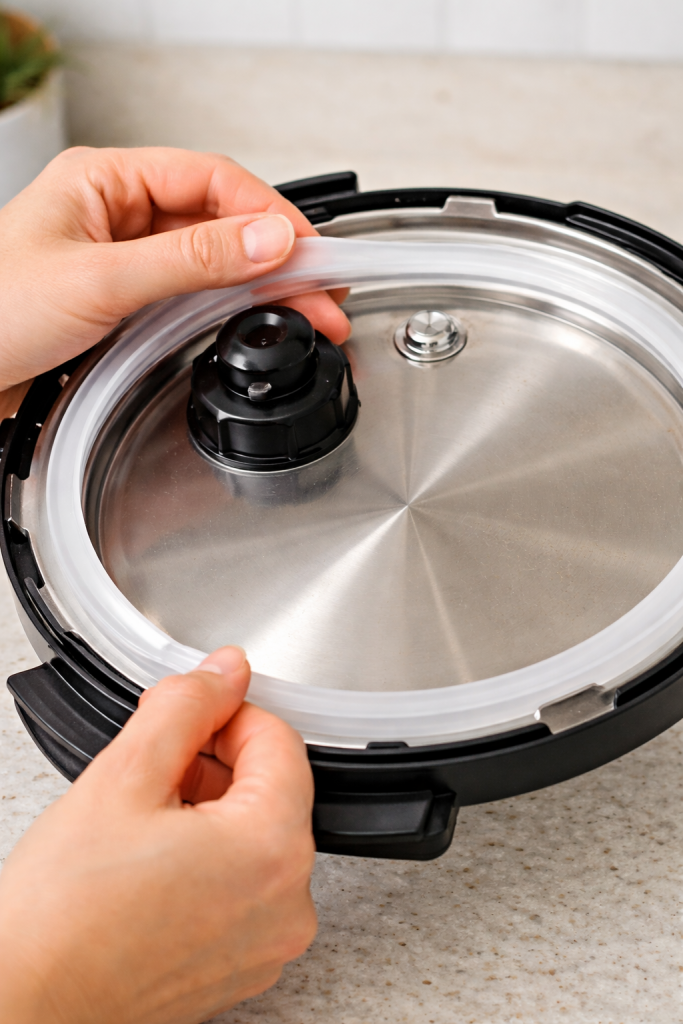
Check the silicone sealing ring for signs of melting, discoloration, or damage. Remove and rinse it; reinstall properly ensuring it sits evenly in the lid groove.
What you should see: Sealing ring properly seated and clean, preventing plastic odors.
Safety note: Replace sealing ring if damaged or emits odor after cleaning.
Step 4: Check Placement of Accessories and Lid Components
Verify that the steam release valve and anti-block shield are clean and correctly installed. Ensure no plastic utensils or lids parts touch the heating element.
What you should see: Proper assembly preventing unwanted plastic contact.
Safety note: Use only Instant Pot approved accessories.
Step 5: Run a Water Test Cycle
Fill the inner pot with 2 cups of water, secure the lid, and run a pressure cook cycle for 5 minutes. Observe for any burning smells or abnormal behavior.
What you should see: No burning plastic smell or smoke during operation.
Safety note: Stay nearby during test to promptly stop if issues arise.
Step 6: Contact Support or Consider Repair
If the burning smell persists after cleaning and test cycle, professional service may be needed to inspect electrical components or replace parts.
What you should see: Proper diagnosis and repair to prevent damage or hazard.
Safety note: Do not attempt electrical repairs yourself.
When you should replace a part
Replace parts immediately if you observe melting, discoloration, cracking, or persistent burning odor after cleaning. Also replace if physical damage or warping affects the fitting or safety of the Instant Pot components.
Recommended replacement parts (if needed)
| Part | Why it helps | Replacement guide | Buy on Amazon |
|---|---|---|---|
| Silicone Sealing Ring | Damaged or degraded sealing rings can emit burning plastic odors and compromise pressure sealing. | /instant-pot-parts/sealing-ring-replacement/ | silicone sealing ring |
| Steam Release Valve | If melted or damaged, it can cause odors or improper pressure release. | /instant-pot-parts/steam-release-valve-replacement/ | steam release valve |
| Inner Pot | Burned or melted coating can cause odors and contaminate food. | /instant-pot-parts/inner-pot-replacement/ | inner pot |
Silicone Sealing Ring

Why this helps: Damaged or degraded sealing rings can emit burning plastic odors and compromise pressure sealing.
- Replacement guide: /instant-pot-parts/sealing-ring-replacement/
- Find a silicone sealing ring on Amazon.com
Steam Release Valve
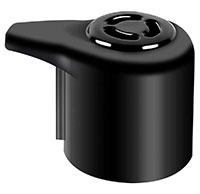
Why this helps: If melted or damaged, it can cause odors or improper pressure release.
- Replacement guide: /instant-pot-parts/steam-release-valve-replacement/
- Buy a replacement steam release valve on Amazon.com
Inner Pot

Why this helps: Burned or melted coating can cause odors and contaminate food.
- Replacement guide: /instant-pot-parts/inner-pot-replacement/
- Buy a replacement inner pot on Amazon.com
Related troubleshooting
- Instant Pot Not Sealing? How to Fix It: 6 Proven Fixes That Actually Work
- Why your Instant Pot Smells Like Burning Plastic
- Why can’t I close my Instant Pot lid?: How to diagnose and fix it safely
- Instant Pot Burn Message: Causes and Fixes
- Instant Pot Leaking Steam From Lid – Float Valve Stuck: How to Fix It
FAQ
Why does my Instant Pot smell like burning plastic?
Usually due to food residue burning on the heating element, damaged sealing ring, or plastic parts touching hot surfaces.
Is the smell harmful?
While the odor is unpleasant, prolonged exposure to melted plastic fumes can be harmful; ventilate and address the issue promptly.
Can I keep using my Instant Pot with this smell?
No, continue use may damage the pot or contaminate food. Troubleshoot and fix or replace parts first.
How do I clean the heating element safely?
Unplug the unit, use a damp cloth without submerging, and gently remove any residue. Dry fully before use.
When should I replace the sealing ring?
If it’s cracked, warped, discolored, or emits persistent odor after cleaning, replace immediately.
What if cleaning doesn’t remove the smell?
Run a water test cycle; if odor persists, contact support or consider professional repair.
Can improper assembly cause the burning smell?
Yes, if parts like the sealing ring or steam valve are not seated correctly, plastic may contact hot surfaces causing odor.