
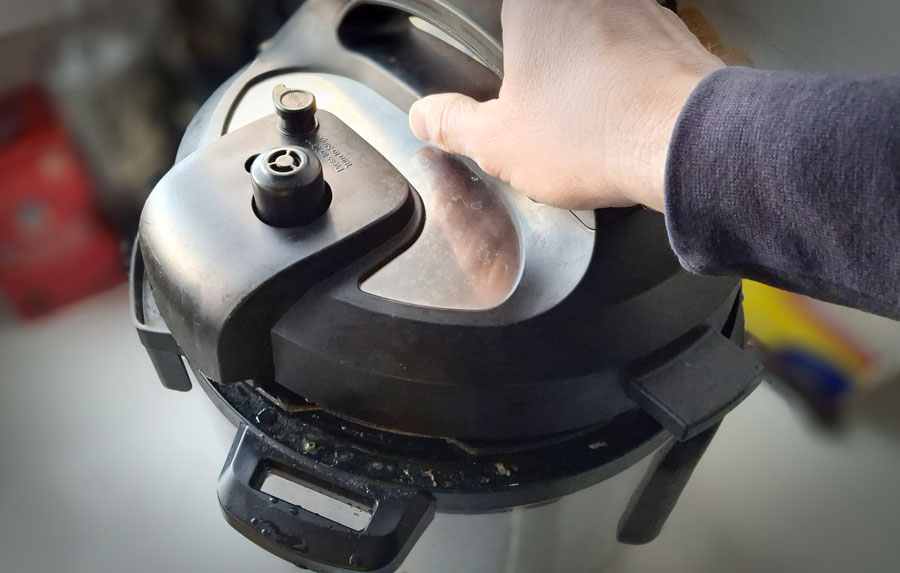
If your Instant Pot lid won’t close properly, the cooker cannot pressurize safely. In most cases, the issue is caused by a misaligned sealing ring, debris in the lid, or a damaged locking component. This guide walks you through safe troubleshooting steps and explains when replacement parts are necessarry.
Quick diagnosis
Most likely causes:
- Misaligned or improperly seated sealing ring
- Food debris in lid groove or locking mechanism
- Warped or stretched silicone sealing ring
- Damaged locking pin or lid assembly
- Stuck float valve interfering with closure
Common symptoms:
- Lid will not rotate into locked position
- Lid gets stuck halfway
- Noticeable gap between lid and base
- Excess resistance when turning
- Error messages related to lid position
Step-by-step fix
Step 1: Clean the Sealing Ring and Lid Components
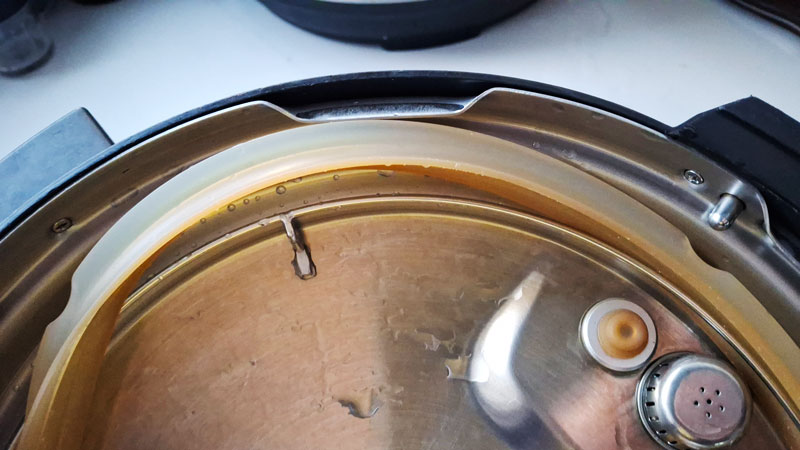
Remove the silicone sealing ring. Wash it with warm water and mild dish soap. Clean the lid groove, float valve, and anti-block shield to remove residue.
What you should see: Clean surfaces and no visible debris.
Safety note: Ensure all parts are completely dry before reassembly.
Step 2: Reseat the Silicone Sealing Ring
Press the sealing ring evenly into the lid groove. Confirm it sits flat without twisting or stretching.
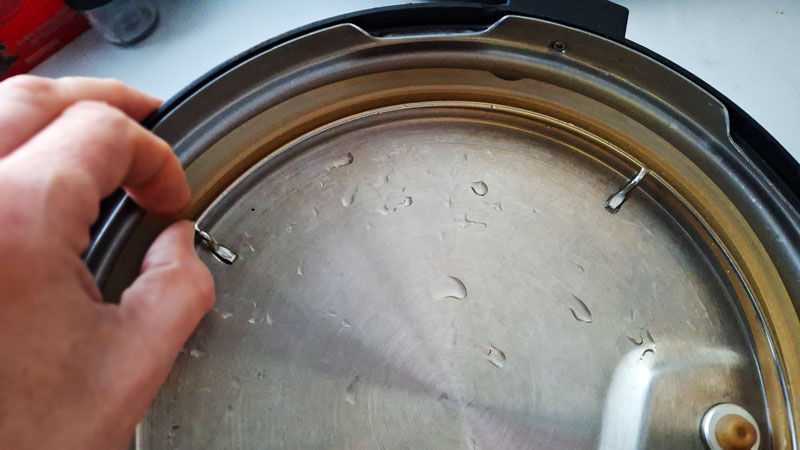
What you should see: Ring sits evenly all around the lid.
Step 3: Check Lid Alignment and Locking Mechanism
Inspect the locking pin and lid rails. Remove any debris. Align lid markers properly before rotating.
What you should see: Lid rotates smoothly into locked position without force.
Safety note: Never force the lid closed.
Step 4: Perform a Non-Pressure Test
Close the lid and run a short “Saute” or “Keep Warm” cycle to confirm it locks properly without error.
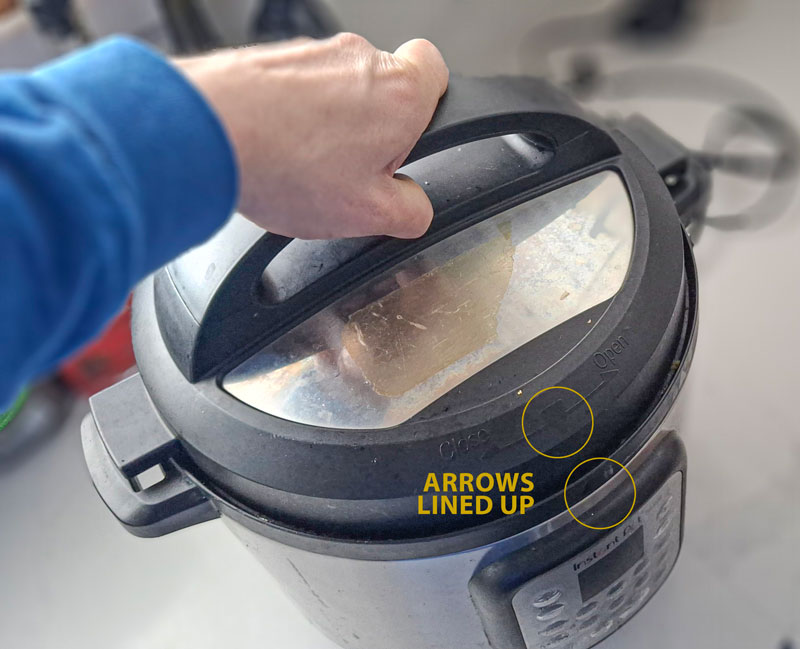
What you should see: Lid locks securely with no resistance.
Step 5: Replace Damaged Parts if Needed
If the lid still won’t close after cleaning and reseating, inspect for warped rings or damaged locking components.
When to replace a part
Replace the sealing ring if you see cracking, permanent stretching, or warping. Replace locking pins or lid components if bent or visibly damaged. If the float valve is stuck or obstructed, replace the valve assembly.
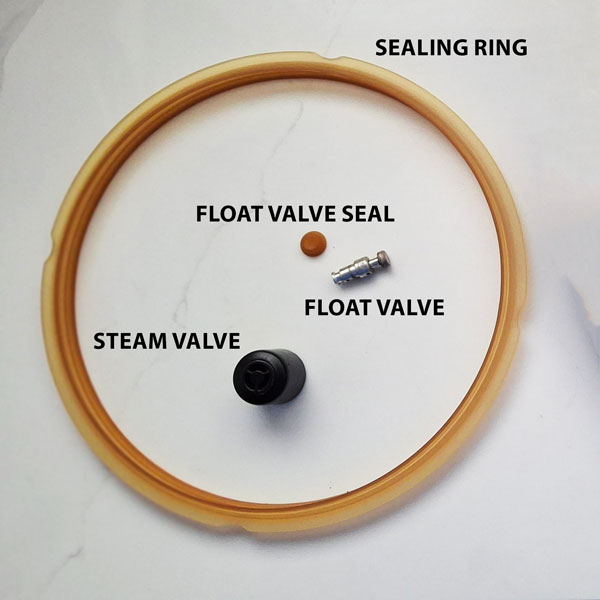
Recommended replacement parts (if needed)
| Part Image | Part | Why it helps | Replacement guide | Affiliate link |
|---|---|---|---|---|
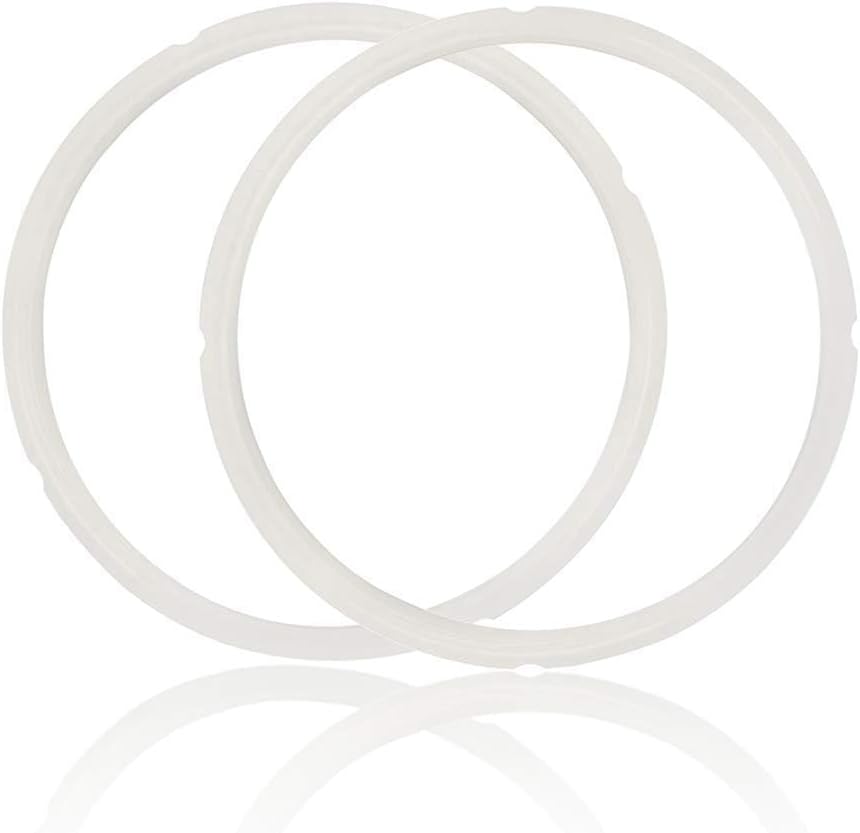 |
Silicone Sealing Ring | Warped or stretched rings prevent proper sealing and lid closure. | Guide | View on Amazon |
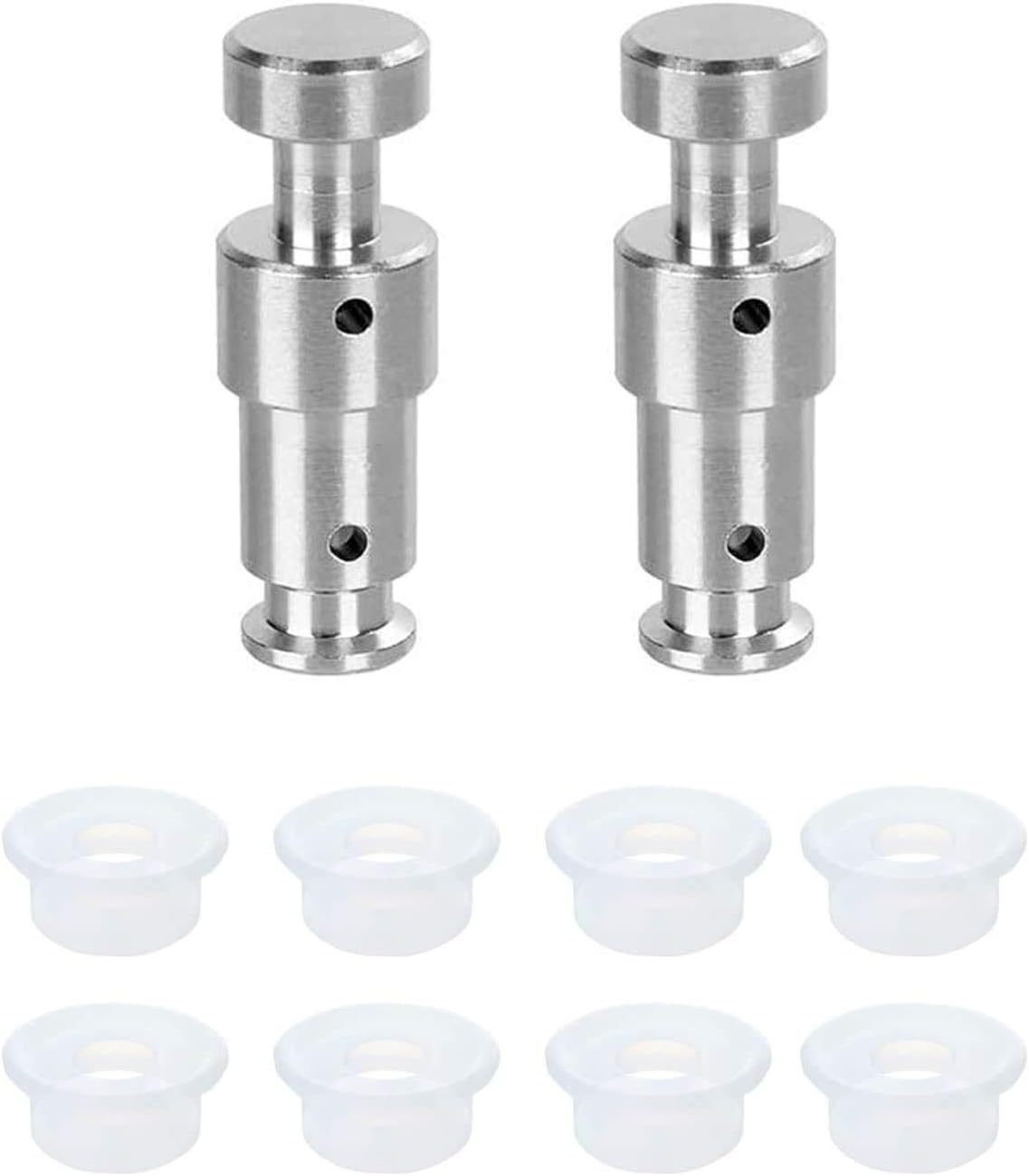 |
Float Valve Assembly | A stuck valve can interfere with lid positioning and pressure indication. | Guide | View on Amazon |
Related troubleshooting
- Instant Pot Lid Won’t Close: How to Diagnose and Fix It Safely
- Instant Pot Burn Message: Causes and Fixes
- Instant Pot Leaking Steam From Lid – Float Valve Stuck: How to Fix It
- Instant Pot Not Pressurizing: What to Check
- Instant Pot Undercooked Food: Causes, Fixes, and How to Restore Proper Pressure Cooking
- Troubleshooting Steam Leaking from Your Instant Pot: Full Guide
- Understanding and Fixing the Instant Pot Burn Notice
FAQ
Why won’t my Instant Pot lid close?
Common causes include a misaligned sealing ring, debris in the lid groove, or damaged locking components.
Can a warped sealing ring prevent the lid from closing?
Yes. Warping or permanent stretching can stop the lid from seating properly.
Is it safe to force the lid closed?
No. Forcing the lid can damage internal components and create safety risks.
How often should I clean the sealing ring?
Clean after every use to prevent buildup that interferes with closure.
What if cleaning doesn’t fix the issue?
Inspect for damaged parts and replace the sealing ring or locking components as needed.
Does the float valve affect lid closure?
Yes. A stuck or misaligned float valve can interfere with proper locking and pressure indication.