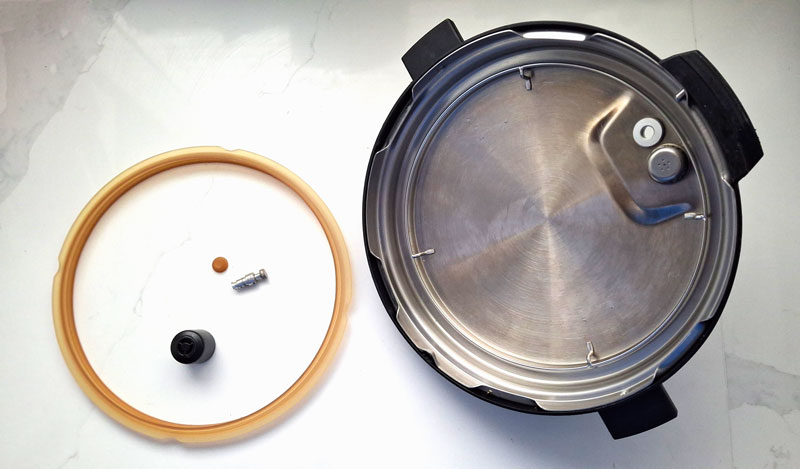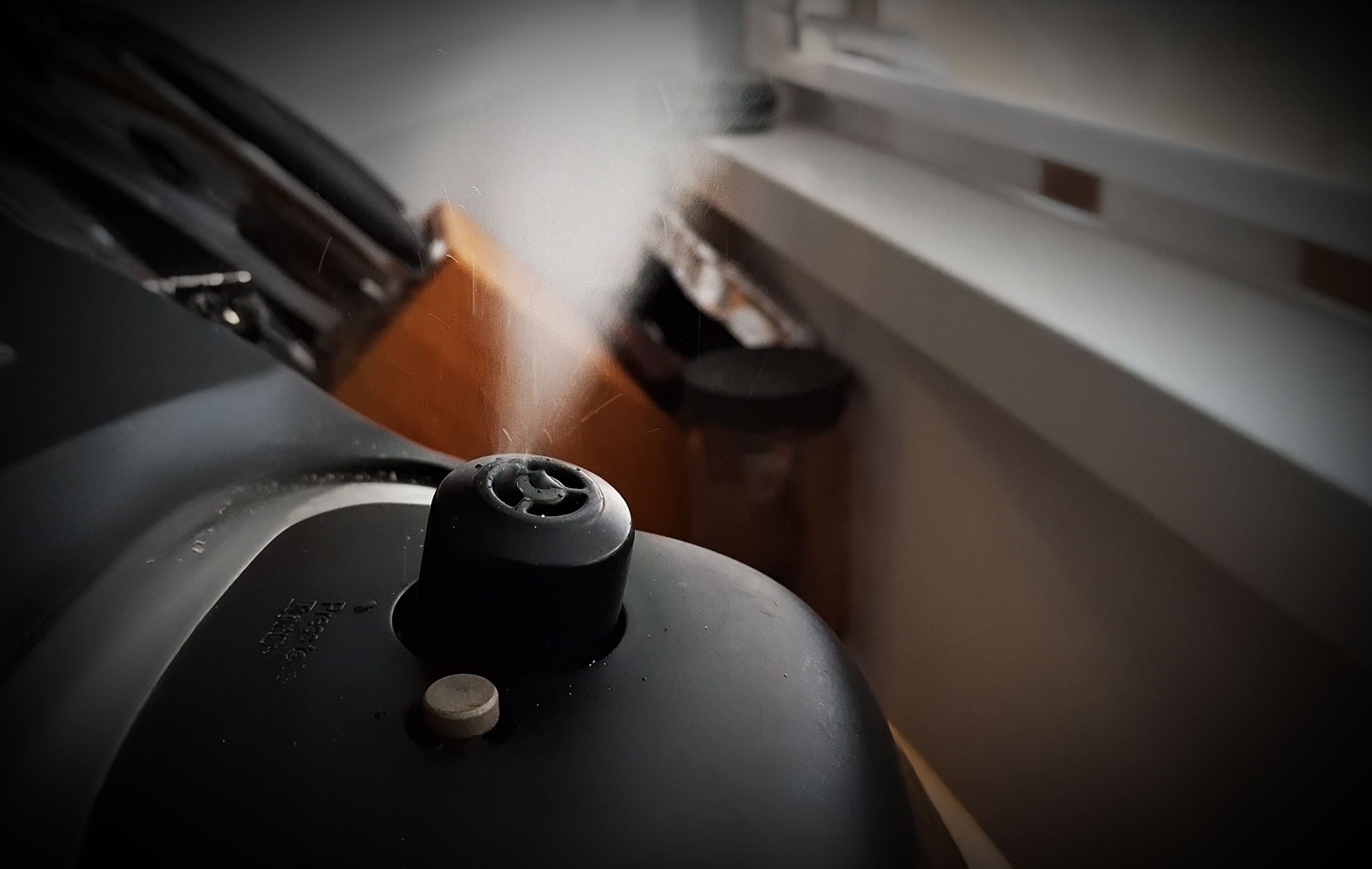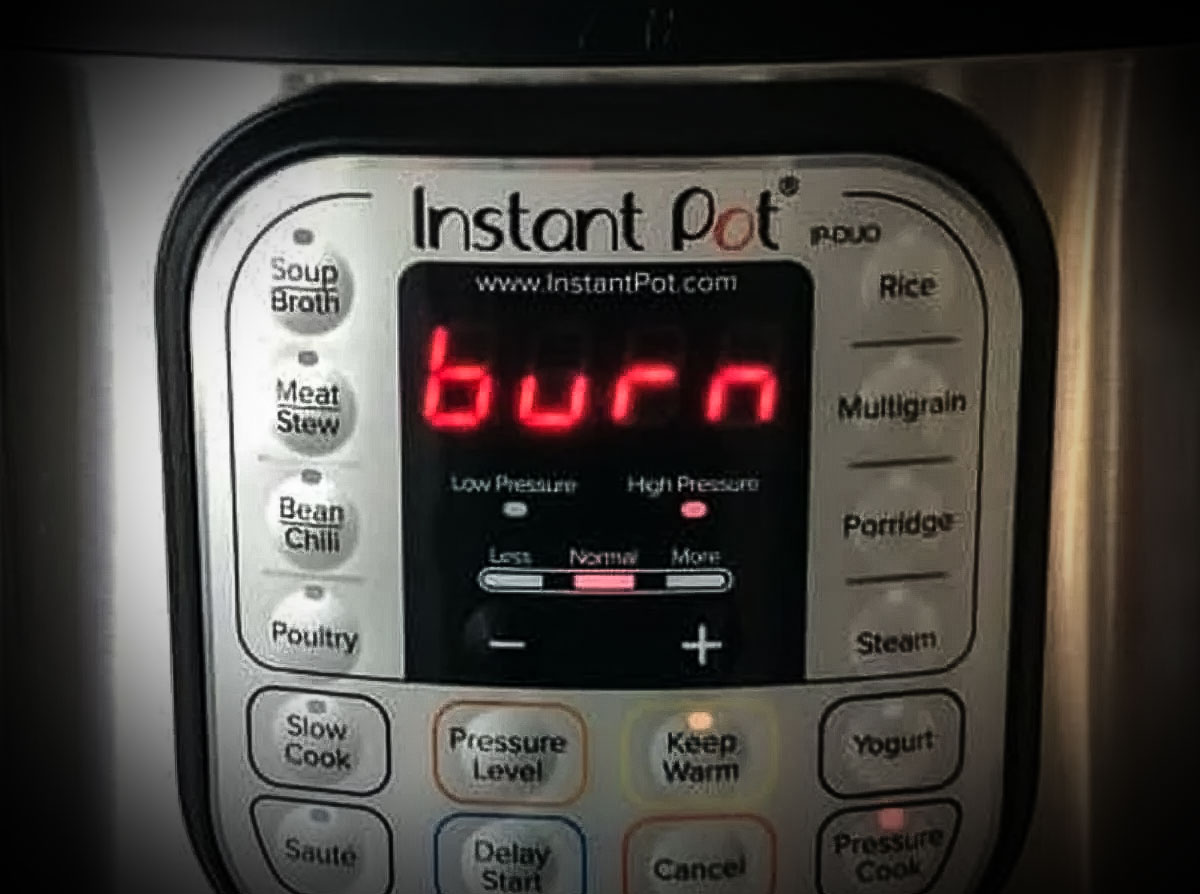
Instant Pot troubleshooting, without the guessing. If your Instant Pot isn’t sealing, isn’t pressurizing, is leaking steam, shows a Burn message, flashes an error code, or won’t turn on, you’re in the right place. This hub helps you identify the symptom you’re seeing and sends you to the exact fix, fast.
Most Instant Pot problems are mechanical, not electrical. That means the usual suspects are simple: the sealing ring, liquid level, float valve, and steam release valve. When any of those are dirty, mis-seated, worn, or in the wrong position, you get the classic “Instant Pot not working” moment.
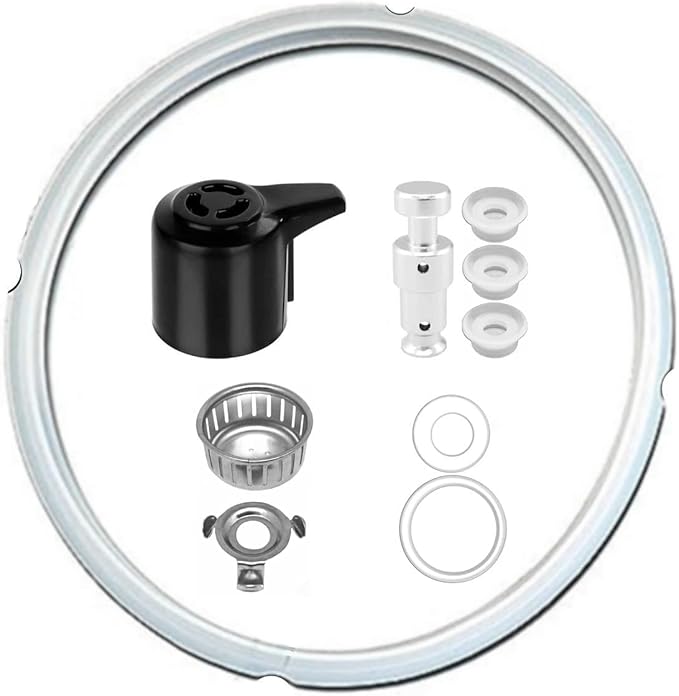
Instant Pot Not Pressurizing (Or Not Sealing)
If your Instant Pot is not pressurizing, takes forever to preheat, or never seals, you’re dealing with the most common category of issues. These problems are usually caused by something small that stops the lid from forming a proper seal.
Most common causes
- Not enough liquid: pressure cooking needs enough thin liquid to generate steam.
- Steam release set incorrectly: valve must be in the correct sealing position.
- Sealing ring mis-seated: twisted, loose, or not fully seated in the groove.
- Float valve stuck: residue can prevent the float valve from moving up.
- Lid not fully closed: alignment issues can prevent locking and sealing.
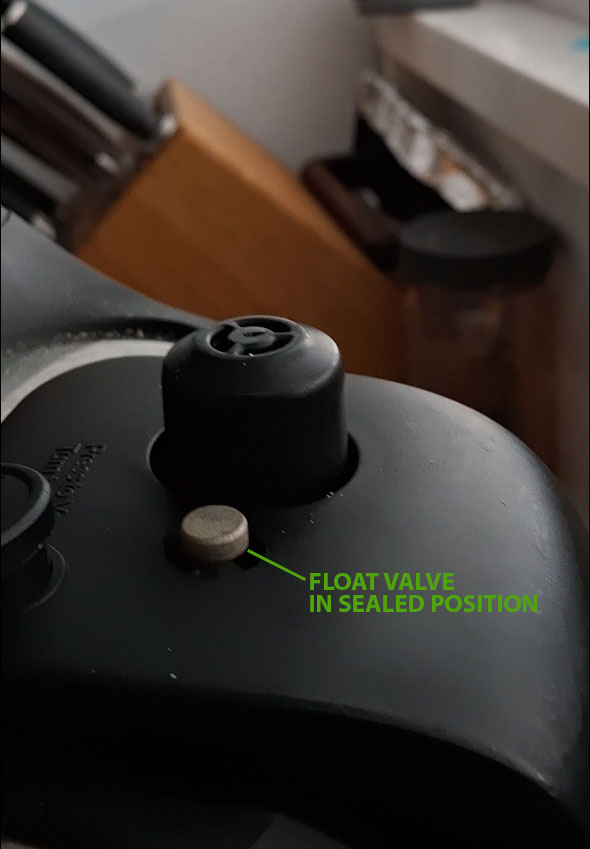
Start here:
Instant Pot Not Pressurizing Guide
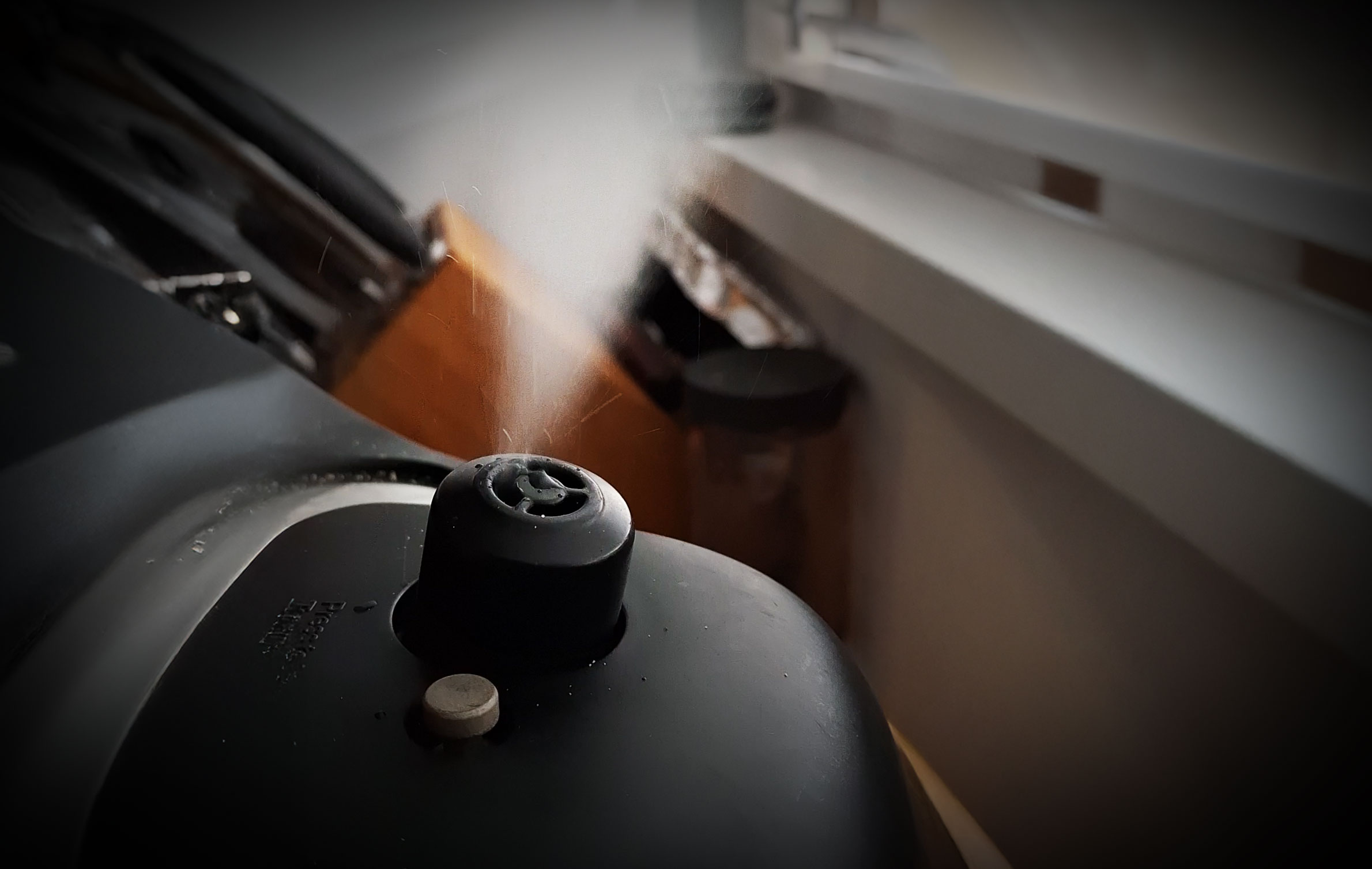
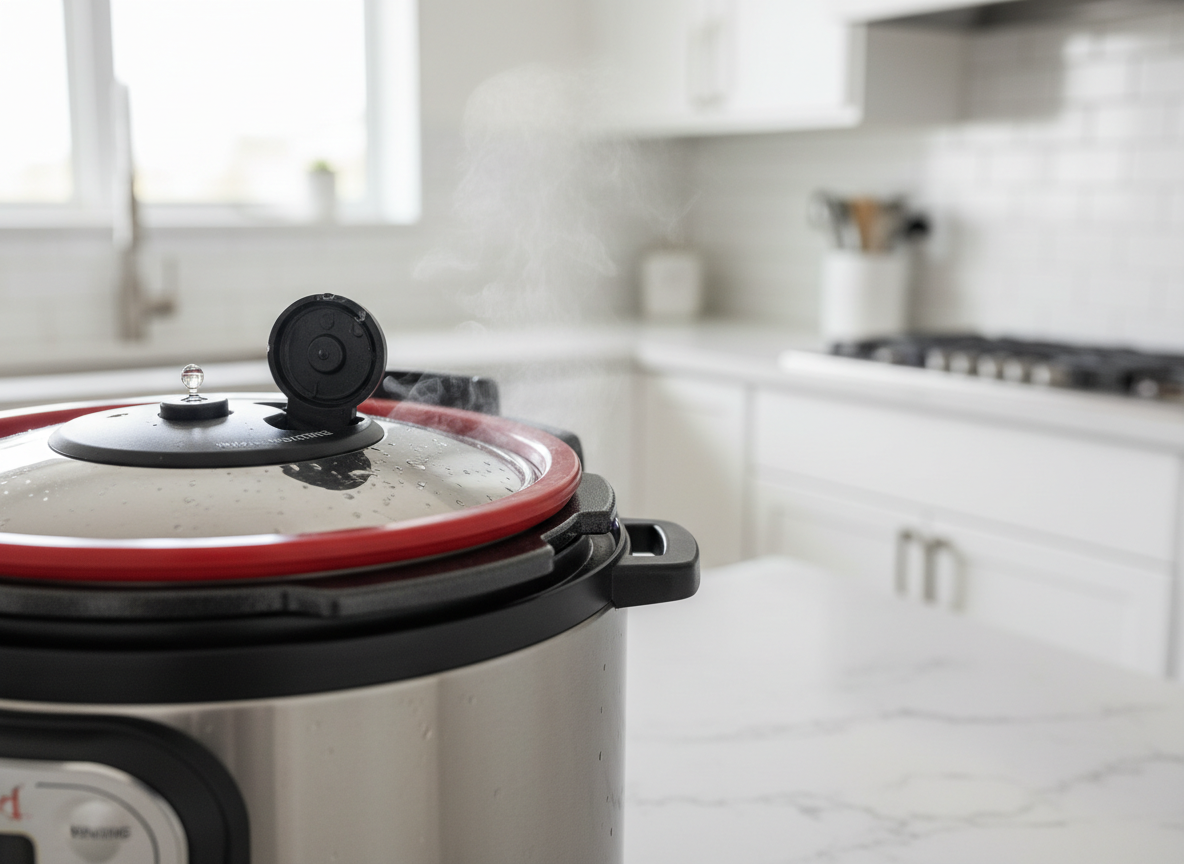
Instant Pot Leaking Steam From Lid
Some steam during preheat is normal. However, steady steam after pressure should be established usually means the seal is compromised.
Common steam leak locations
- From the sides of the lid: often sealing ring seating or wear.
- From the float valve area: residue or a stuck/dirty float valve.
- From the steam release valve: valve not set correctly or worn component.
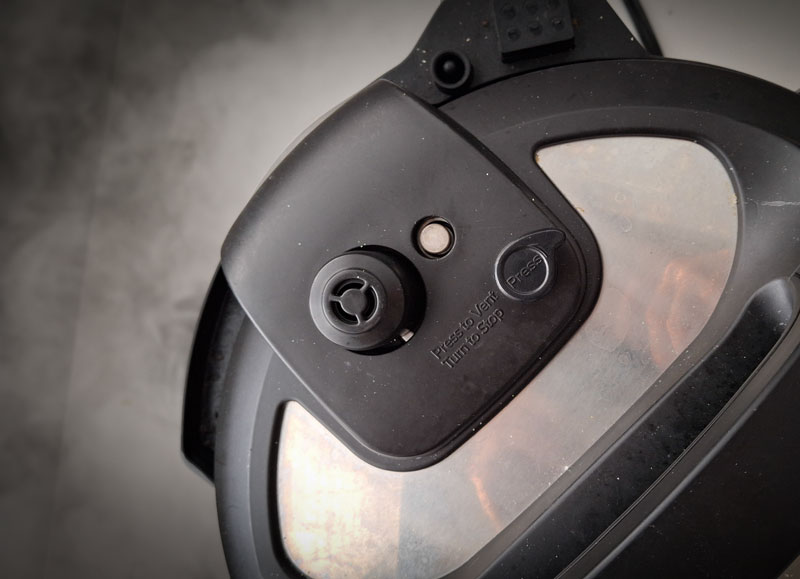
Start here:
How to Fix Instant Pot Steam Leaks
Instant Pot Burn Message
The Burn message typically indicates insufficient thin liquid between the heating element and food.
Typical triggers
- Thick sauces: tomato-heavy or creamy bases can scorch.
- Skipping deglazing: browned bits can trip the sensor.
- Layering mistakes: thick ingredients on the bottom.
- Too little thin liquid: broth/water ratio matters.
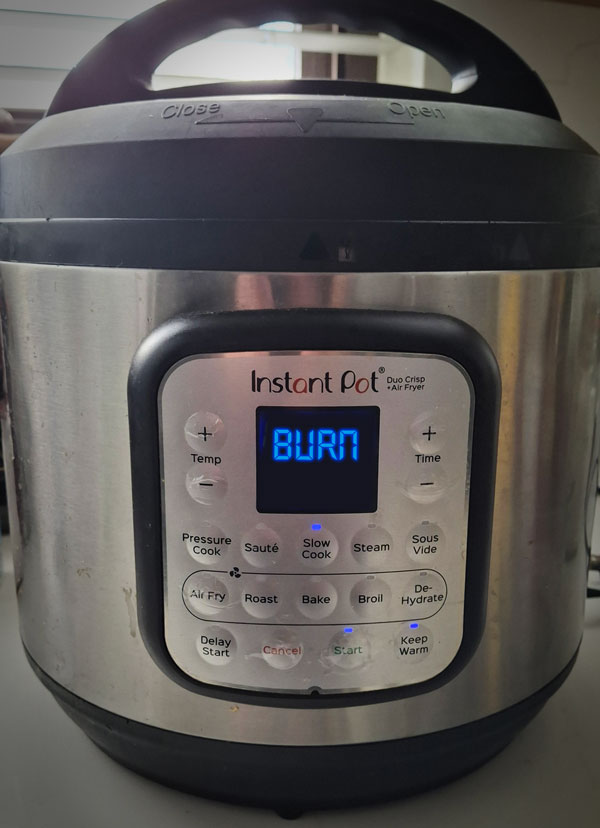
Start here:
Instant Pot Burn Message Explained
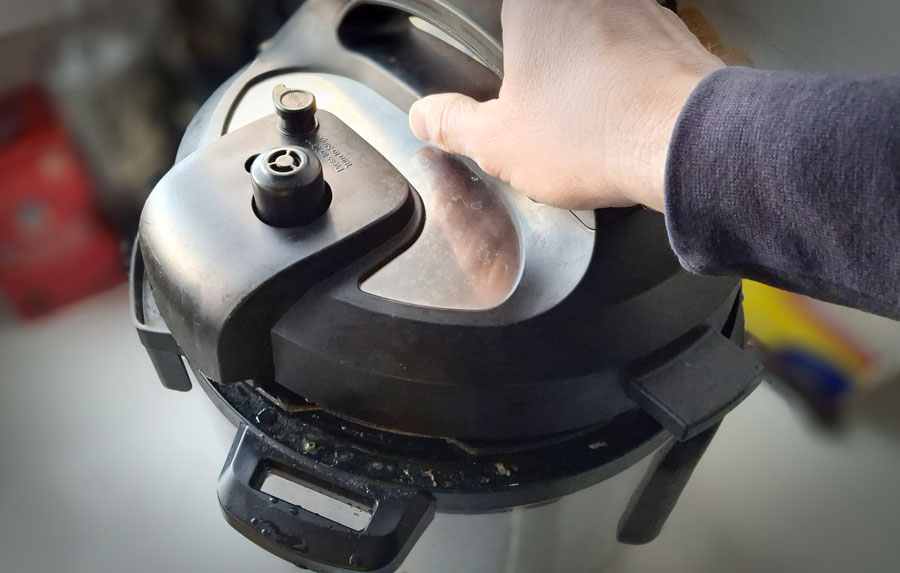
Instant Pot Lid Won’t Close or Lock
- Confirm inner pot is seated flat.
- Check sealing ring alignment.
- Ensure float valve is not stuck up.
- Inspect for residue.
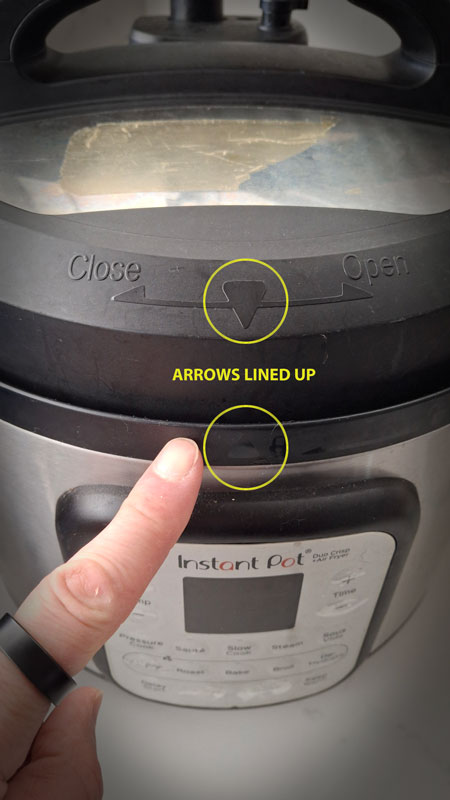
Start here:
Instant Pot Lid Won’t Close Guide
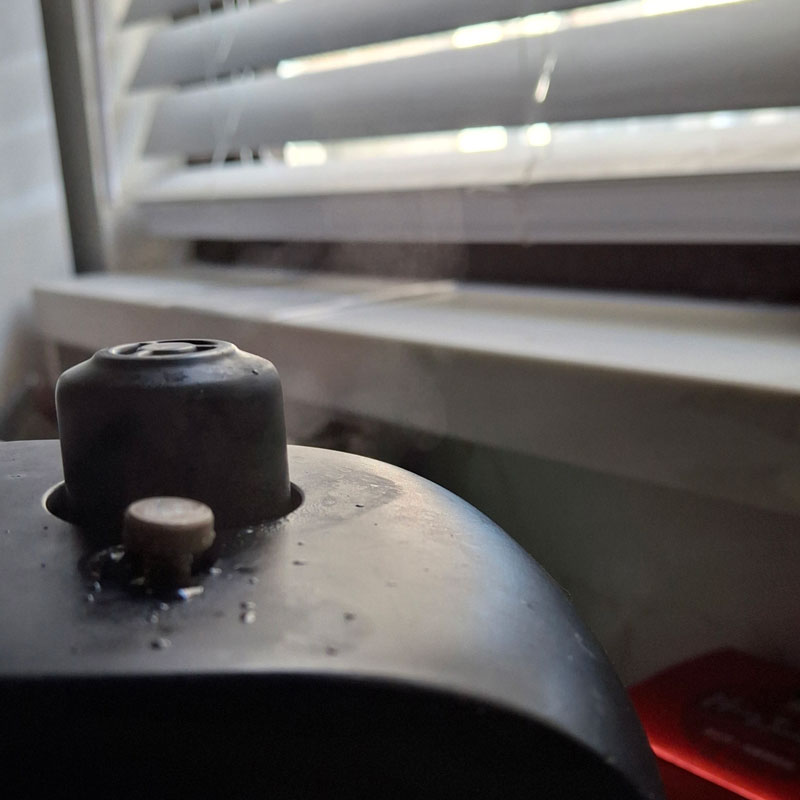
Float Valve Stuck or Not Popping Up
- Residue buildup
- Low liquid
- Side leak
- Damaged parts
Start here:
Fixing a Stuck Float Valve
Instant Pot Won’t Turn On
- Test outlet with another appliance.
- Plug directly into wall.
- Check cord connection.
- Inspect for cord damage.
Start here:
Instant Pot Not Turning On
Food Undercooked After a Pressure Cycle
- Ingredient size
- Frozen ingredients
- Quick release timing
- Overcrowding
Start here:
Why Food Is Undercooked in the Instant Pot
Instant Pot Error Codes (C1, C2, C5, LID)
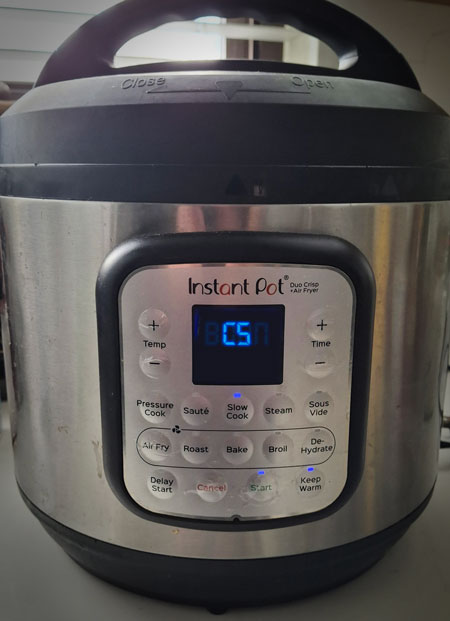
Start here:
Instant Pot Error Codes Guide
Prevent the Usual Problems
- Wash sealing ring after messy meals.
- Check valves move freely.
- Use proper liquid amounts.
- Deglaze after sautéing.
- Inspect sealing ring for wear.
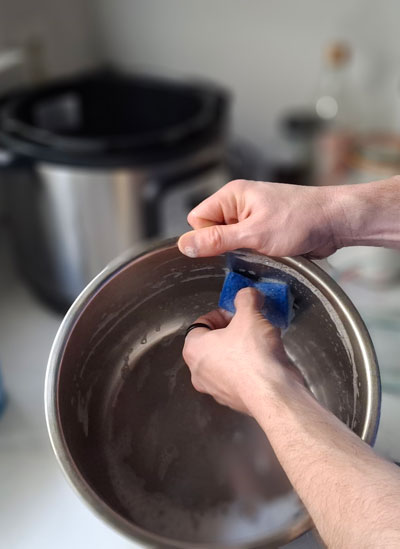
Start here:
Instant Pot Maintenance and Prevention
Know When It’s a Parts Issue
- Silicone sealing ring
- Float valve assembly
- Steam release valve parts
Start here:
When to Replace Instant Pot Parts
FAQ
Is steam during preheat normal?
Yes, small amounts are normal. Continuous steam after pressure builds is not.
Why won’t my Instant Pot pressurize even with enough liquid?
Usually sealing ring, valve position, or float valve issues.
How often should I replace the sealing ring?
Typically every 12–18 months or sooner if worn.
What should I do first if I get a Burn message?
Cancel, deglaze, add thin liquid, restart.
Can I test fixes without food inside?
Yes. Run a short water test cycle.
Quick takeaway: Start with the symptom, then follow the matching guide.