
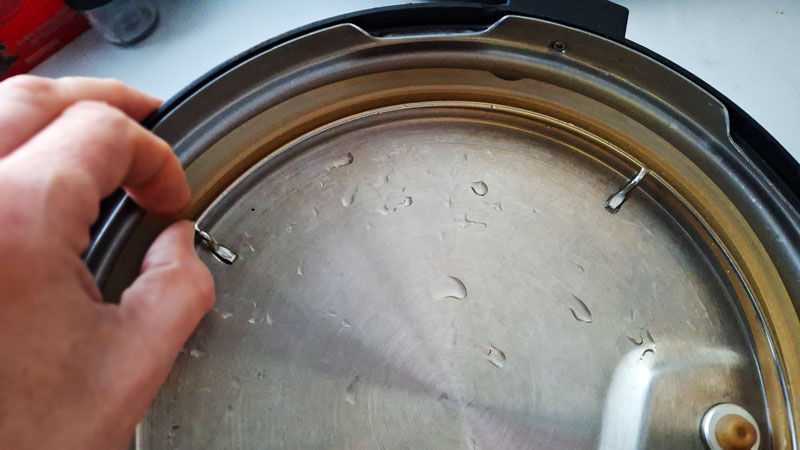
A worn or damaged sealing ring is a top cause of leaks and poor performance in Instant Pots. This guide covers how to spot when a new ring is needed, choose the right sealing ring replacement, and safely install it—so your cooker seals tightly and works like new.
Quick answer
Replace your Instant Pot sealing ring if there are leaks, strong odors, or the lid doesn’t seal. Choose the correct size and food-safe silicone. A new ring ensures proper pressurizing and safe cooking.
Signs you need a replacement part
Steam leaks around the lid during use
Persistent odors even after cleaning
Frequent BURN error codes
Not pressurizing or losing pressure
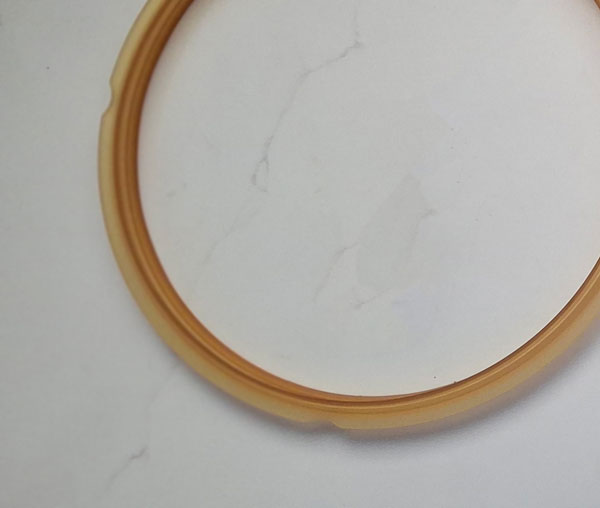
Loose, stretched, or cracked sealing ring
How to identify the correct part
1) Match your model number
Your Instant Pot model number is printed on a sticker or metal plate on the back or bottom of the cooker base. Check the model number before ordering parts—different models have rings or valves that may not fit each other.
2) Confirm quart size
Instant Pots most often come in 3-quart, 6-quart, or 8-quart sizes. Sealing rings and inner pots are not interchangeable between sizes. Measure your pot or check the box to confirm your quart size before buying any part.
3) Choose safe materials
The best instant pot sealing ring replacements are made of food-grade silicone, which is heat-resistant and safe for pressure cooking. Avoid parts made with questionable coatings or non-silicone plastics. Always check for FDA or food-safe certification.
4) Genuine vs third-party
Genuine Instant Pot parts are made to fit and are food-safe. Quality third-party rings can work well but always check sizing, reviews, and safety claims. Avoid unbranded parts and those with chemical odors or unclear materials.
Most common replacement parts
Sealing Ring
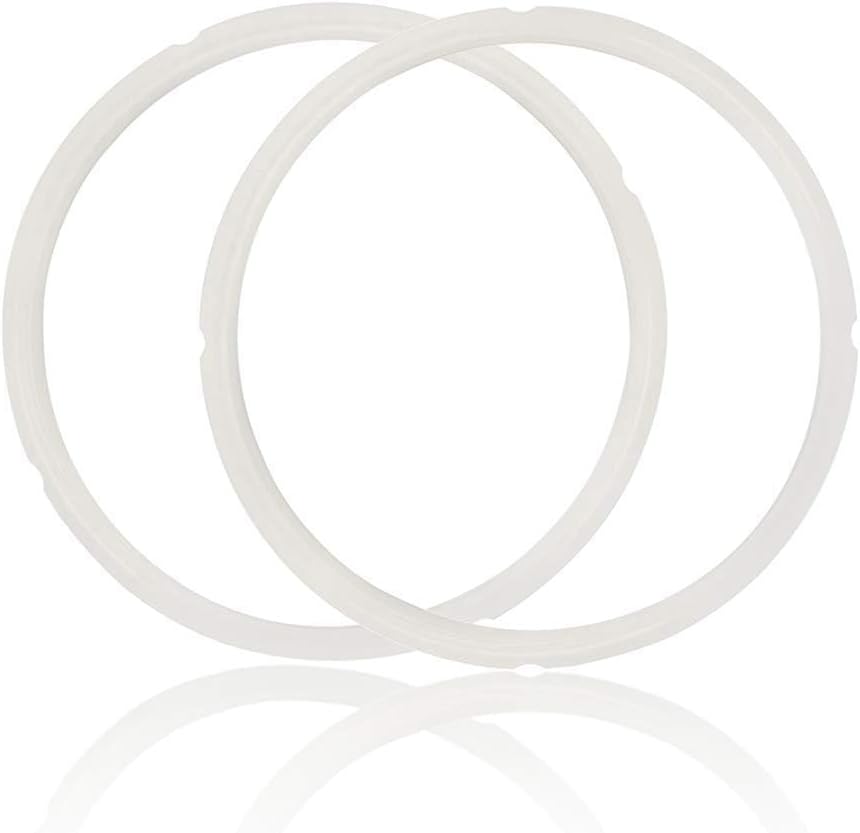
Creates an airtight seal between the lid and pot—crucial for pressure building.
Replace it if:
Steam escapes from the edges of the lid
There’s a strong odor that won’t go away
The ring appears stretched, cracked, or loose
The ring is over a year old or shows discoloration
Replacement steps:
Remove the old ring from the lid’s ring rack.
Clean and dry the ring rack area.
Press the new ring firmly into the rack all the way around.
Check that the ring is evenly seated before use.
Float Valve
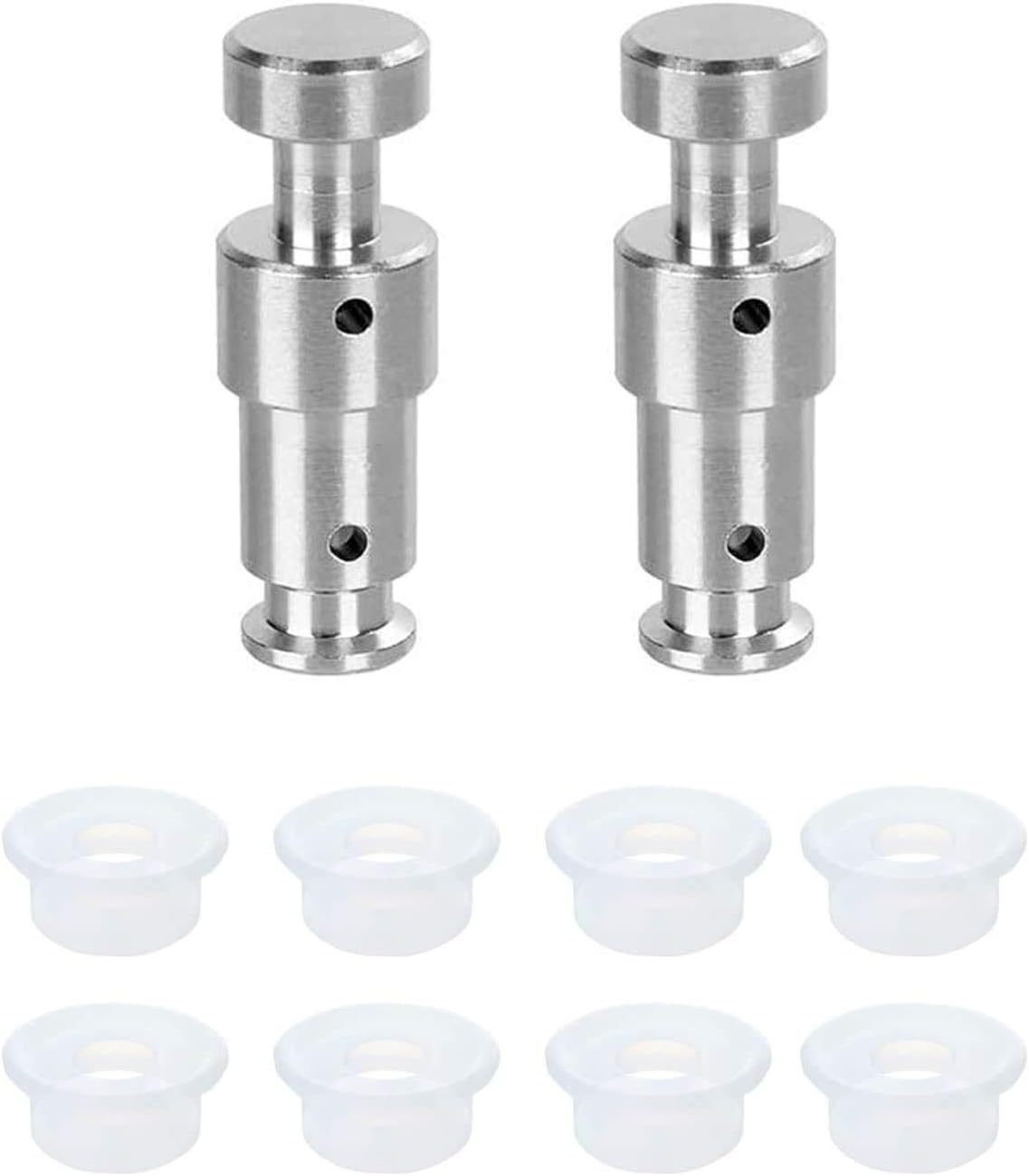
Seals the cooker once pressure builds and helps indicate when it’s safe to open.
Replace it if:
The valve sticks or doesn’t move smoothly
Steam leaks from valve area
The silicone cap is missing or damaged
Typical lifespan: 2–3 years or as needed
Replacement steps:
Push out the old float valve from its slot.
Fit the new valve with a fresh silicone cap.
Test for a smooth up-and-down movement.
Steam Release Valve
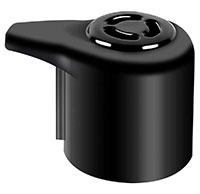
Regulates steam release and controls pressure inside the pot.
Replace it if:
Valve is cracked or stuck
Valve is missing
Steam escapes continuously from the valve
Typical lifespan: Varies; replace as needed
Replacement steps:
Pull or unscrew the old valve from the lid.
Align and install the new valve in the same position.
Test for smooth rotation and proper seal.
Buy Steam Release Valve on Amazon
Inner Pot

The removable stainless steel pot that holds ingredients for cooking.
Replace it if:
Pot is warped or damaged
Deep scratches or pitting
Stubborn stains or flaking
Typical lifespan: 3–5 years or longer with care
Replacement steps:
Remove old pot and clean cooker base.
Insert compatible replacement pot.
Check fit and markings for your model.
Buy a replacement inner pot on Amazon.
Anti-Block Shield
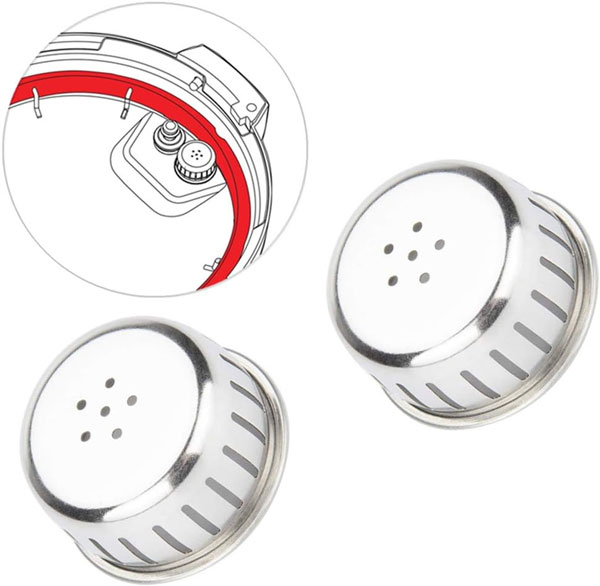
Prevents food from blocking pressure release openings.
Replace it if:
Shield is bent or damaged
Falls off or won’t stay locked
Stains or debris can’t be removed
Typical lifespan: 2–3 years or as needed
Replacement steps:
Twist off the old shield from under the lid.
Clean the area and snap new shield into place.
Check that shield is locked and secure before use.
Buy Now on Amazon – Anti-Block Shield
Ordering checklist
Confirm your Instant Pot model number
Check the quart size (3-quart, 6-quart, or 8-quart)
Choose the exact replacement part you need
Select only food-safe materials (silicone or stainless steel)
Review return and warranty policy before purchase
Related guides
Start here: Instant Pot Replacement Parts
FAQ
How often should I replace my Instant Pot sealing ring?
Replace it every 12–18 months or when there are leaks, odors, or visible damage.
Why does my sealing ring smell?
Silicone absorbs odors from foods. Strong odors are a sign it’s time for a replacement.
Can I use third-party sealing rings?
Yes, if the ring is food-grade silicone and sized for your exact model and quart size.
What size sealing ring does my Instant Pot need?
Match the ring to your pot’s quart size—rings for 6-quart, 8-quart, and 3-quart models are not interchangeable.
Do all Instant Pots use the same sealing ring?
No. Always check your model number and quart size to ensure compatibility.