If your Instant Pot is not pressurizing, it can stop your meal plans in their tracks. Fortunately, most issues can be diagnosed and fixed with a few simple checks focused on the sealing and steam release system. This guide walks you through symptoms, common causes, and safe troubleshooting steps to get your Instant Pot back to building pressure.
Quick diagnosis
Most likely causes your Instant Pot is not pressurizing:
- Sealing ring is dirty, damaged, or improperly seated causing an air leak.
- Steam release valve not set to ‘Sealing’ position or sticky/blocked.
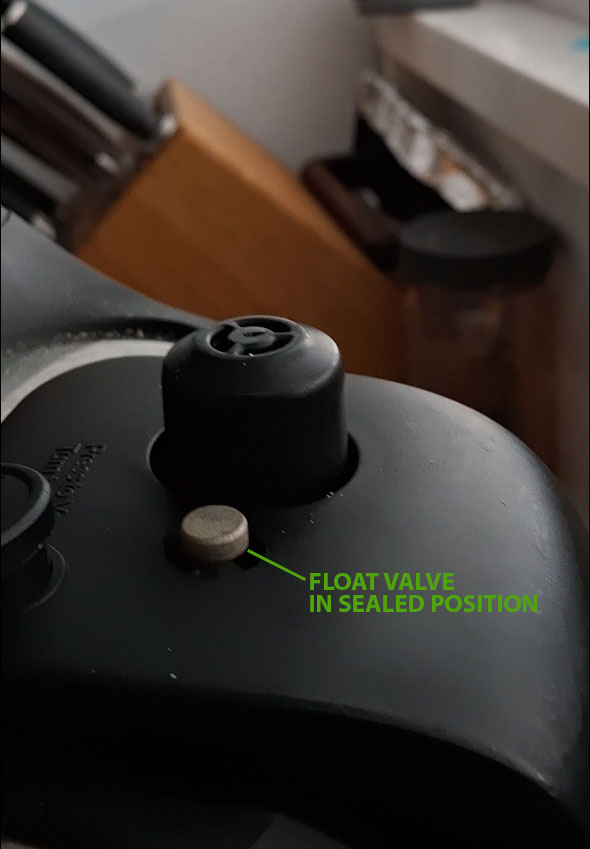
- Float valve stuck or obstructed, preventing it from rising.
- Lid not properly locked or closed, preventing pressure build-up.
- Insufficient liquid inside the pot to generate steam and pressure.
Common symptoms:
- Instant Pot won’t come to pressure despite being sealed and set.
- Steam continuously escapes from the steam release valve during pressure building.
- Float valve not rising after sealing the lid and starting the cook cycle.
- The Instant Pot cycles to ‘Keep Warm’ without reaching pressure.
- Water or food leaking from the sealing ring area.
Step-by-step fix
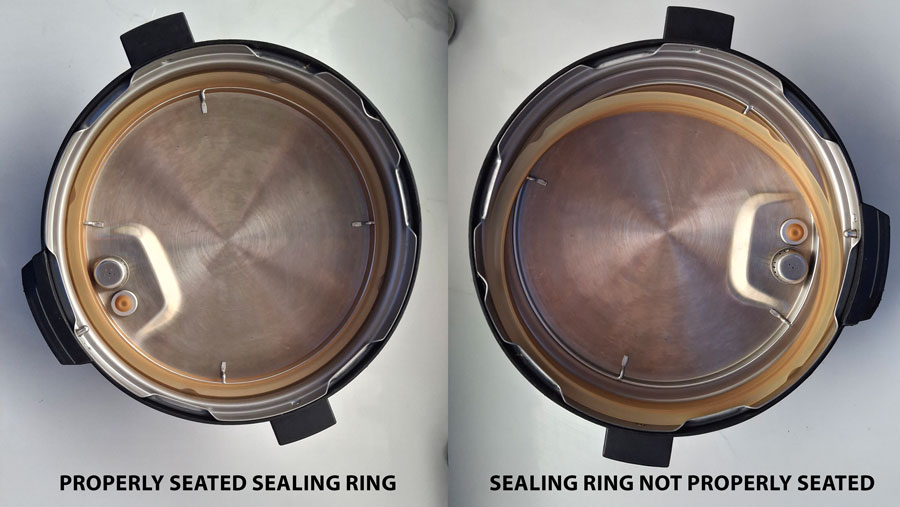
Step 1: Check and Clean the Sealing Ring – number one cause of instant pot pressure issues
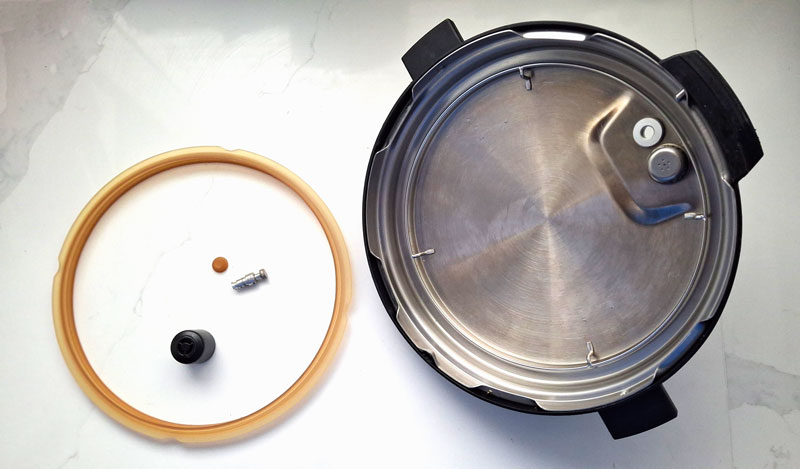
Remove the silicone sealing ring from the lid. Inspect it for cracks, tears, or deformation. Wash it in warm soapy water, rinse, and dry thoroughly. Re-seat the sealing ring evenly around the lid’s groove before use.
What you should see: A properly seated, clean sealing ring ensures an airtight seal necessary for pressurizing.
Safety note: Ensure the Instant Pot is unplugged and lid is removed before handling the sealing ring.
Step 2: Set and Inspect the Steam Release Valve
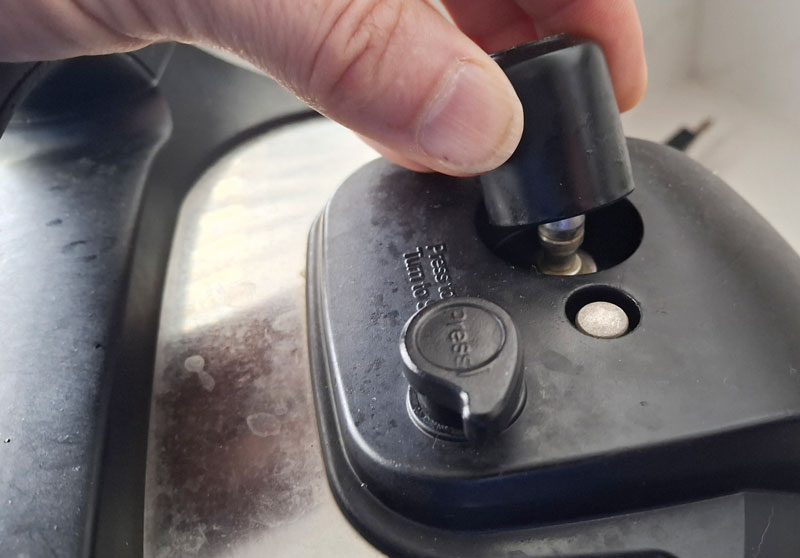
Confirm the steam release valve is turned fully to the ‘Sealing’ position. Remove the valve and clean any debris or food buildup inside the valve or vent pipe. Dry and replace the valve securely.
What you should see: The valve must be fully sealed during pressure building to trap steam inside.
Safety note: Do not attempt this while the pot is pressurized or hot.
Step 3: Check the Float Valve if your instant pot is not pressurizing
Inspect the float valve on the lid for sticking or obstruction. Clean around the float valve to remove any food residue. Gently wiggle it to ensure it moves freely.
What you should see: A freely moving float valve will rise when pressure builds, indicating the pot is sealed and pressurized. If the float valve is not elevated your Instant Pot Is Not Pressurizing.
Safety note: Handle the float valve gently to avoid damage.
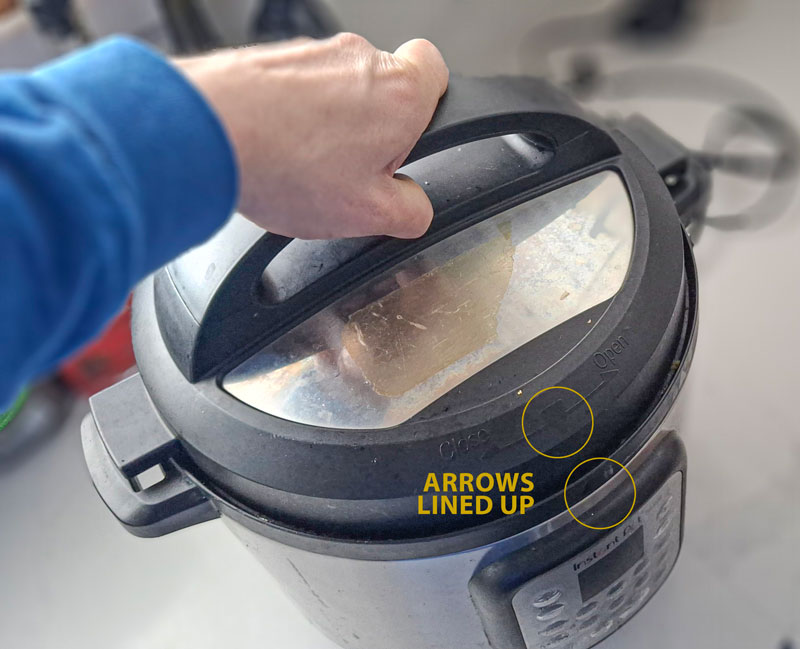
Step 4: Verify Lid is Properly Closed and Locked
Close the lid firmly and rotate it until it locks with an audible click. Make sure the alignment marks line up properly.
What you should see: Proper lid locking is necessary for pressure to build successfully.
Safety note: Never force the lid; check for obstructions on the sealing ring or pot rim.
Step 5: Run a Water Test Cycle
Pour at least 1.5 cups of water into the pot. Close lid and set steam release valve to ‘Sealing.’ Select ‘Pressure Cook’ for 5 minutes. Monitor if the pot reaches pressure and if the float valve rises.
What you should see: Instant Pot should build pressure, float valve should rise, and no steam should leak excessively.
Safety note: Stay near the device during the test for safety and to observe behavior.
When you should replace a part
Replace sealing ring if it shows visible damage or has lost elasticity despite cleaning, as it cannot form a proper seal. Replace the steam release valve if it is cracked, deformed, or remains stuck after cleaning. Replace the float valve if it remains stuck or does not move freely despite cleaning. Parts typically last long but degrade with heavy use or poor maintenance.
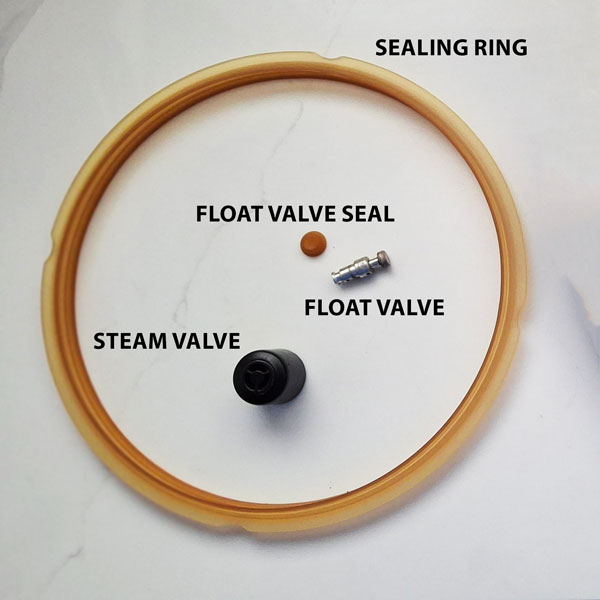
Recommended replacement parts (if needed)
| Part Image | Part | Why it helps | Replacement guide | Buy Now |
|---|---|---|---|---|
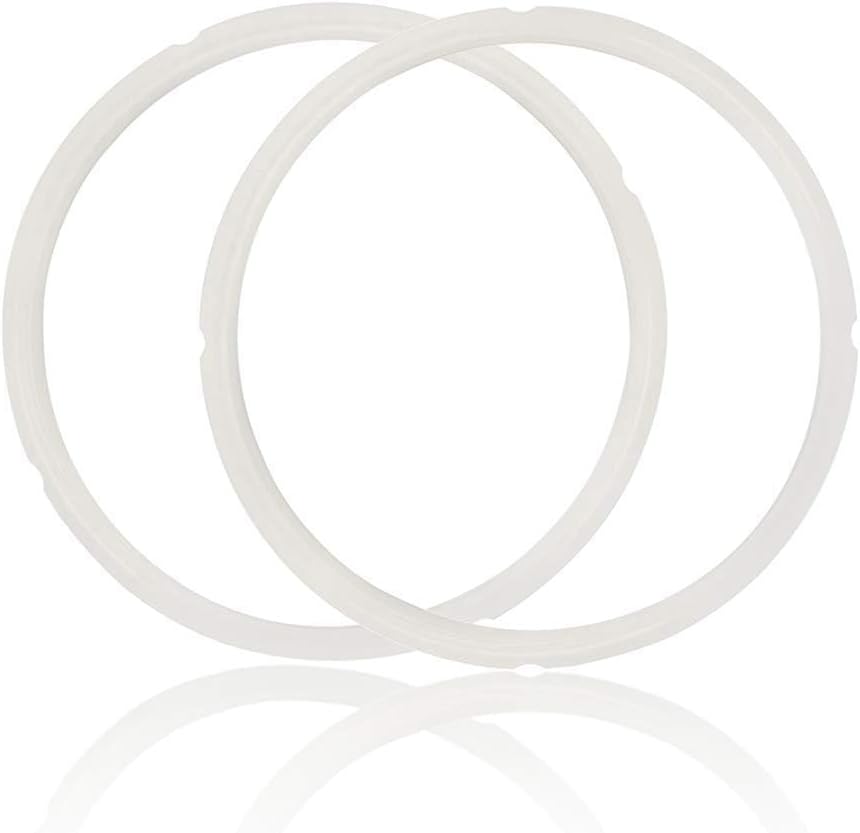 |
Silicone Sealing Ring | Forms the critical airtight seal for pressure buildup; worn or damaged rings cause leaks preventing pressure. | /instant-pot-parts/sealing-ring-replacement/ | BUY NOW |
 |
Steam Release Valve | Controls steam release during pressure cooking; damaged or blocked valves prevent sealing. | /instant-pot-parts/steam-release-valve-replacement/ | BUY NOW |
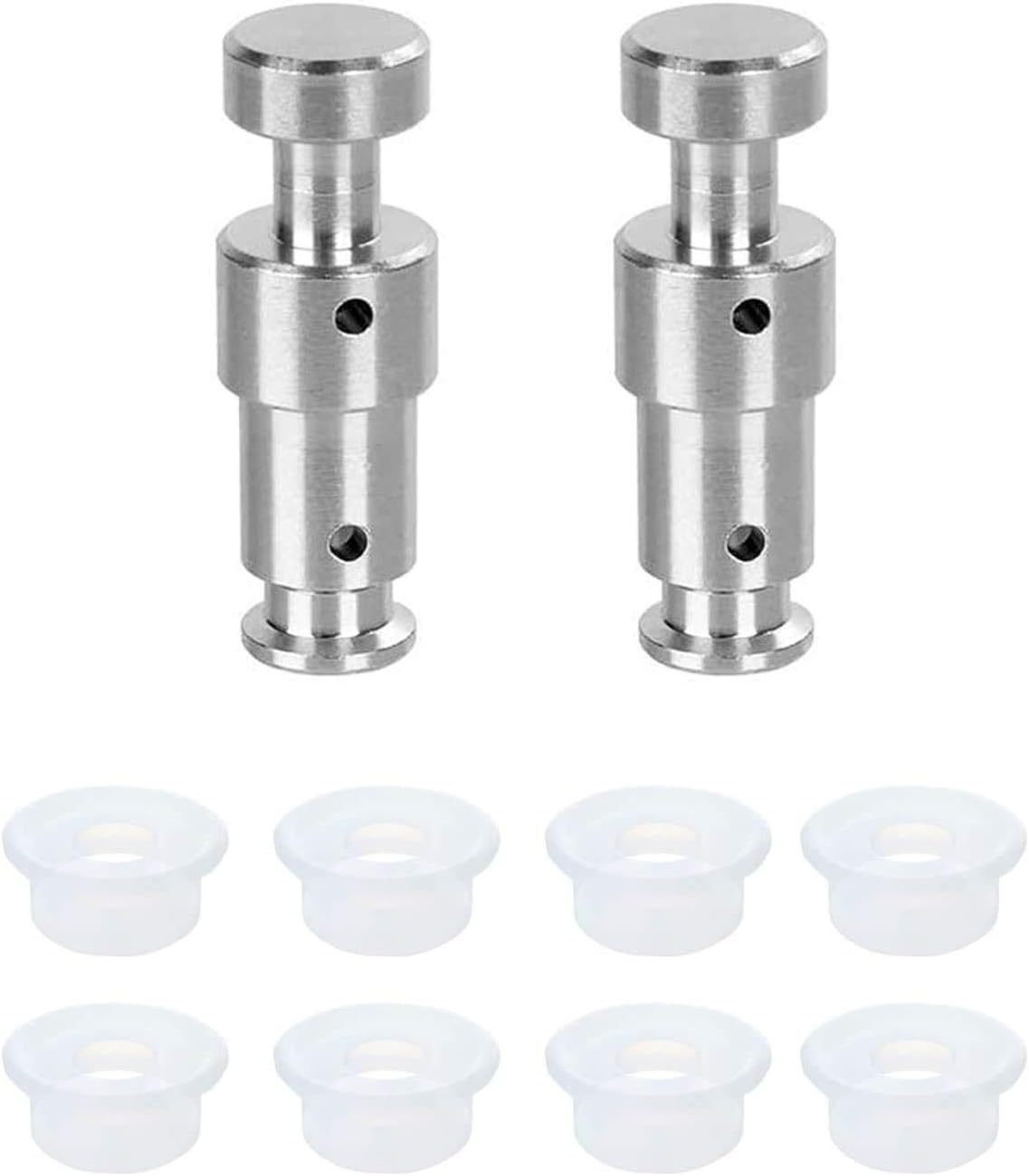 |
Float Valve | Indicates when pressure builds by rising; sticks or damage can cause false readings or prevent sealing. | /instant-pot-parts/float-valve-replacement/ | BUY NOW |
Silicone Sealing Ring
Why this helps: Forms the critical airtight seal for pressure buildup; worn or damaged rings cause leaks preventing pressure.
- Replacement guide: /instant-pot-parts/sealing-ring-replacement/
- Buy Silicon Sealing Ring on Amazon
Steam Release Valve
Why this helps: Controls steam release during pressure cooking; damaged or blocked valves prevent sealing.
- Replacement guide: /instant-pot-parts/steam-release-valve-replacement/
- Buy Instant Pot Steam Release Valves on Amaxon
Float Valve
Why this helps: Indicates when pressure builds by rising; sticks or damage can cause false readings or prevent sealing.
- Replacement guide: /instant-pot-parts/float-valve-replacement/
- Buy float valves on Amazon
Related troubleshooting
Start here: Complete Instant Pot Troubleshooting Guide
- Instant Pot Not Sealing? How to Fix It: 6 Proven Fixes That Actually Work
- Why your Instant Pot Smells Like Burning Plastic
- Why can’t I close my Instant Pot lid?: How to diagnose and fix it safely
- Instant Pot Burn Message: Causes and Fixes
- Instant Pot Leaking Steam From Lid – Float Valve Stuck: How to Fix It
FAQ
Why is my Instant Pot not coming to pressure?
Common reasons include a dirty or damaged sealing ring, steam release valve not set to sealing, float valve stuck, or lid not closed properly.
Can I cook in the Instant Pot without the sealing ring?
No. The sealing ring is essential to create the airtight seal needed for pressure to build.
How often should I replace the sealing ring?
Replace it if it shows cracks, damage, or odors that don’t go away after cleaning. Typically every 12-18 months with frequent use.
What if the float valve doesn’t rise?
Check that the float valve isn’t stuck and that the lid is sealed properly. Clean or replace the valve if needed.
Is it normal for some steam to escape before full pressure?
A small amount of steam release during warm-up is normal, but continuous escaping steam during sealing indicates a problem.
How much water is needed for the Instant Pot to pressurize?
At least 1 to 1.5 cups of liquid is required for proper steam generation and pressure building.
Can food block the steam release valve?
Yes. Food residue can cause the valve to block or stick, preventing sealing. Clean it regularly.
Is it safe to open the Instant Pot if it won’t pressurize?
Yes. If it’s not pressurized, the lid can be opened safely. Do not force the lid when under pressure.