
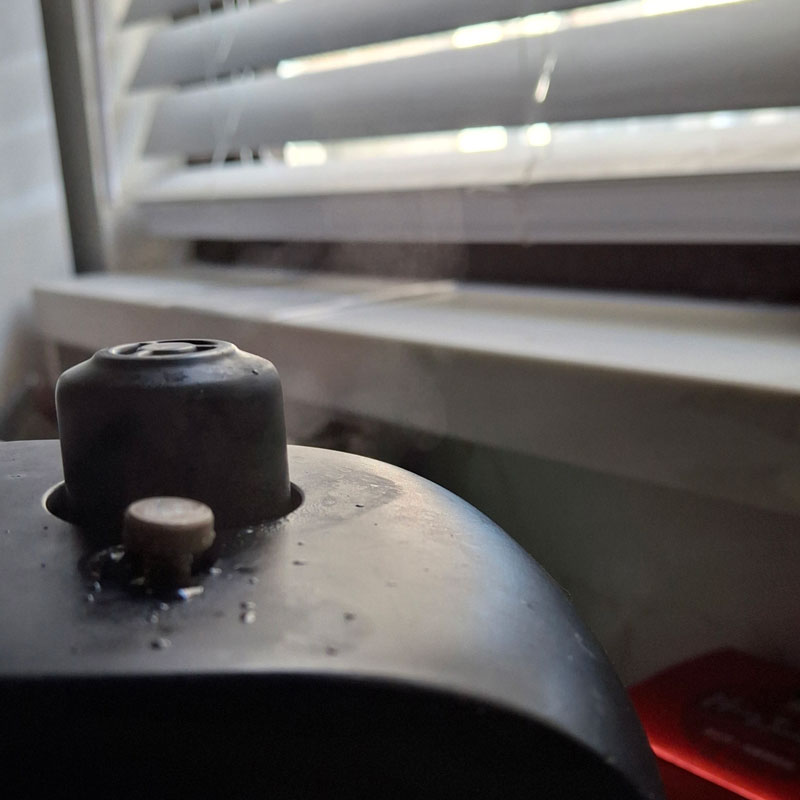
If your Instant Pot is leaking steam from the lid and the float valve is stuck, the cooker will not build pressure properly. This guide walks you through safe troubleshooting steps, how to clean and reseat the valve, and when replacement parts are necessary.
Quick diagnosis
Most likely causes:
- Float valve stuck due to food debris
- Dirty or misaligned silicone sealing ring
- Damaged float valve spring mechanism
- Worn or cracked float valve assembly
Common symptoms:
- Steam escaping from around the lid
- Float valve stays down during cooking
- Pressure does not build
- Hissing or whistling from lid area

Step-by-step fix
Step 1: Unplug and Ensure Pressure Is Released
Turn off and unplug the Instant Pot. Confirm it is completely depressurized and cool before handling.
Safety note: Never open the lid while the cooker is pressurized.
Step 2: Clean the Float Valve and Lid
Remove the float valve pin from inside the lid. Wash the float valve, pin, and surrounding area with warm soapy water. Use a soft brush to remove stuck debris. Dry completely before reinstalling.

What you should see: Valve moves freely without sticking.
Step 3: Reseat the Float Valve and Sealing Ring
Reinstall the float valve pin securely. Inspect the silicone sealing ring and reseat it evenly in the lid groove.
What you should see: Valve moves freely. Sealing ring sits flat without twists.
Step 4: Perform a Water Test Cycle
Add 2 cups of water. Set the valve to “Sealing” and run Pressure Cook on High for 5 minutes.
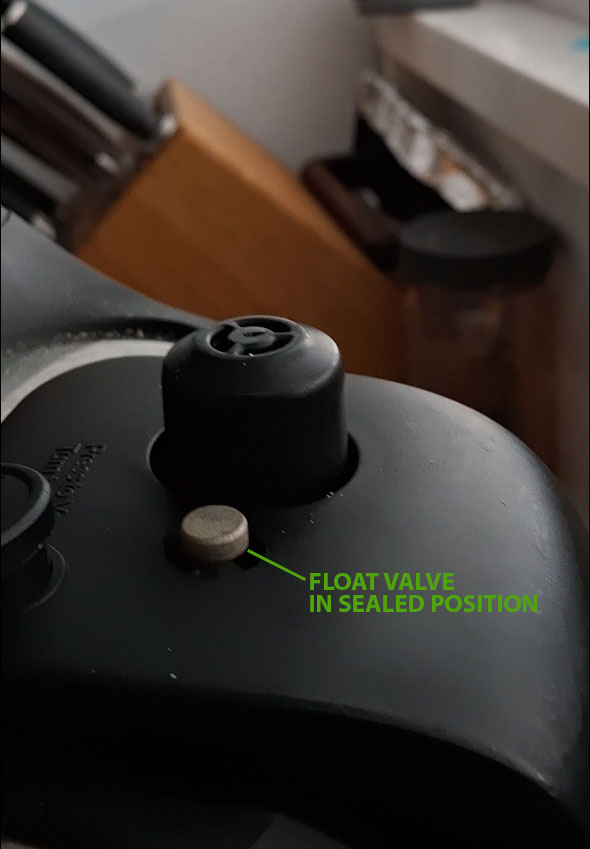
What you should see: Float valve pops up and no steam leaks from lid.
Step 5: Replace Damaged Parts if Needed
If leaking continues or the float valve remains stuck, replacement may be required.
When to replace a part
Replace the silicone sealing ring if it shows cracking, deformation, or loss of elasticity. Replace the float valve assembly if it remains stuck, corroded, or physically damaged after cleaning.
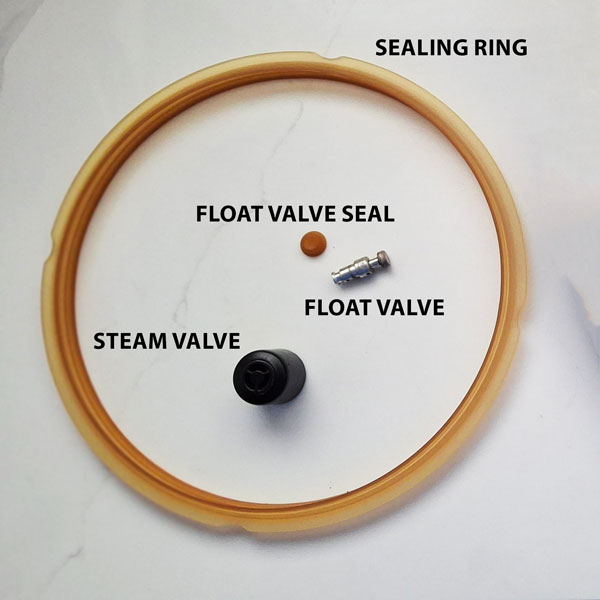
Recommended replacement parts (if needed)
| Part Image | Part | Why it helps | Replacement guide | Affiliate link |
|---|---|---|---|---|
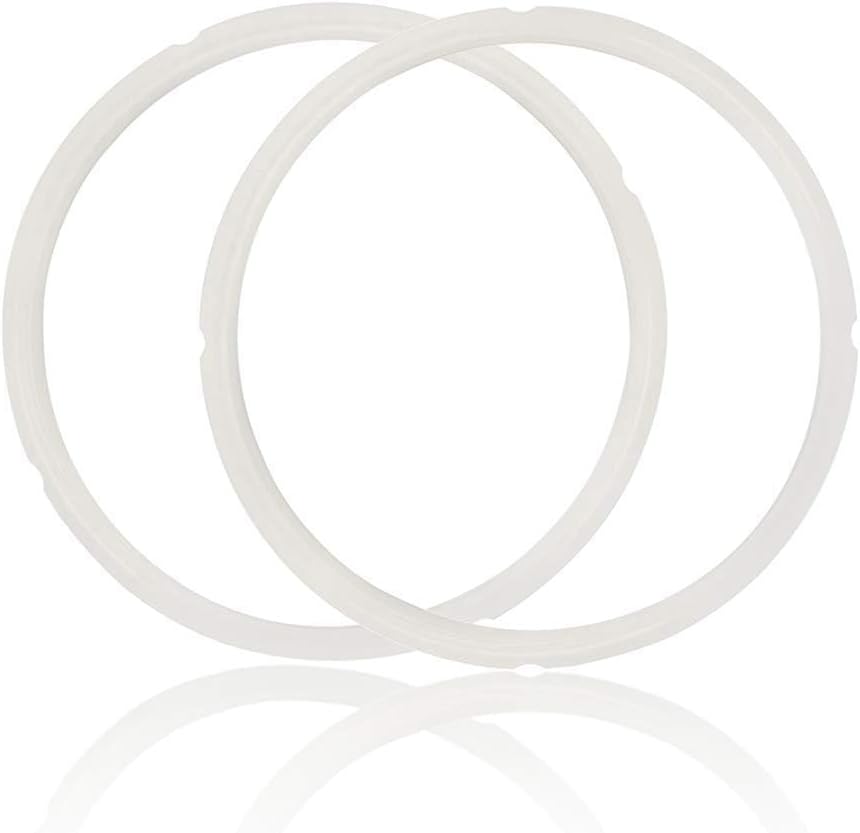 |
Silicone Sealing Ring | Worn rings fail to form a proper seal, causing steam leaks. | Guide | Buy Now |
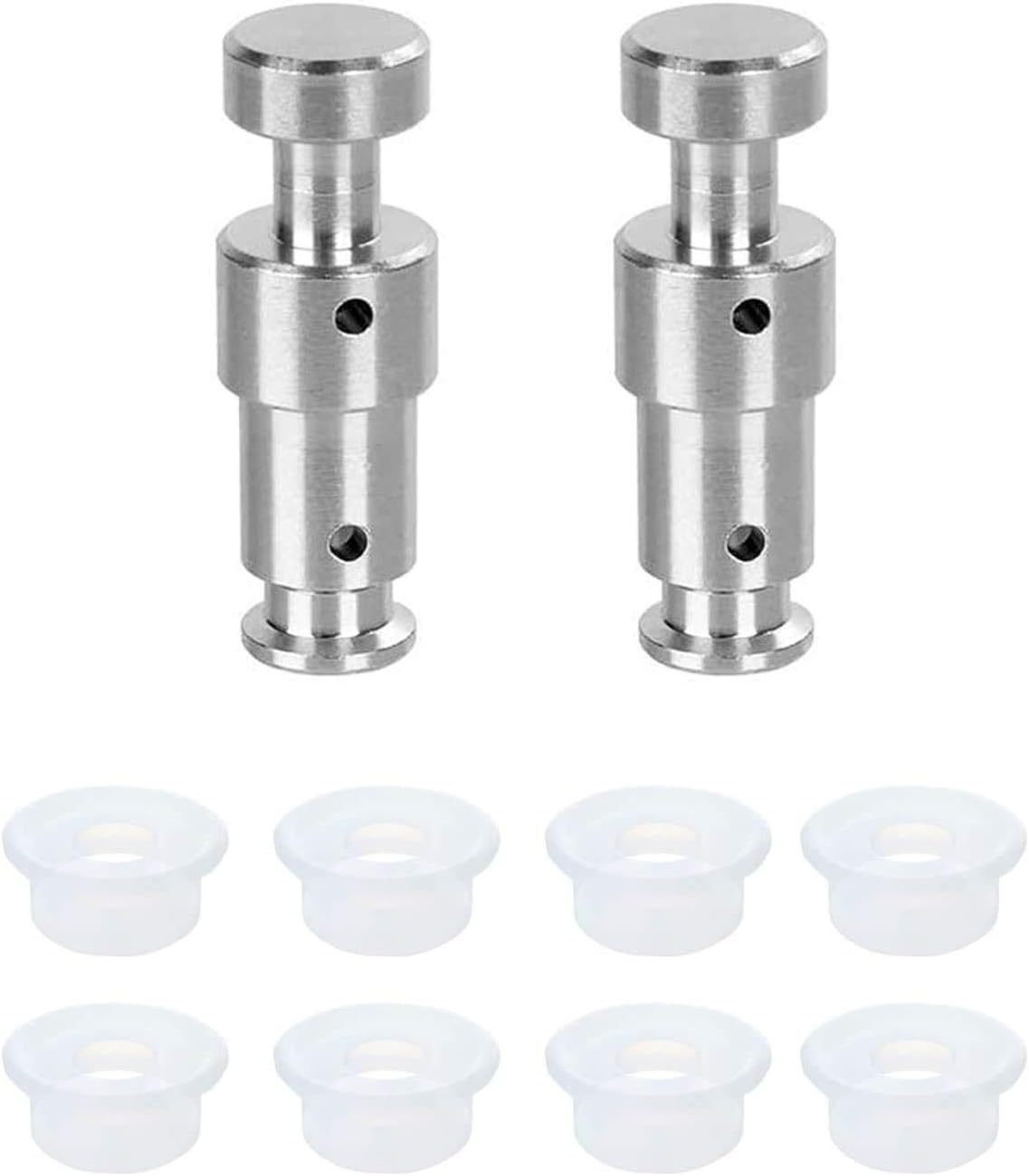 |
Float Valve Assembly | A stuck or damaged valve prevents pressurization and causes lid leaks. | Guide | Buy Now |
Related troubleshooting
Complete Instant Pot Troubleshooting Guide
- Instant Pot Not Sealing? How to Fix It: 6 Proven Fixes That Actually Work
- Why your Instant Pot Smells Like Burning Plastic
- Why can’t I close my Instant Pot lid?: How to diagnose and fix it safely
- Instant Pot Burn Message: Causes and Fixes
- Instant Pot Leaking Steam From Lid – Float Valve Stuck: How to Fix It
FAQ
Why is my Instant Pot leaking steam even though the float valve is down?
The valve may be stuck or debris may be preventing a proper seal.
Is it safe to cook with a stuck float valve?
No. A stuck valve prevents proper pressurization and can cause unsafe steam leaks.
How often should I replace the sealing ring?
Every 12–18 months or immediately if damaged.
Can I test the repair without food?
Yes. Perform a water test cycle to confirm proper sealing.