Is your Instant Pot not sealing, leaking steam, or refusing to build pressure?
This is one of the most common Instant Pot problems — and in most cases, it’s easy to fix in under 10 minutes.
What It Means When Your Instant Pot Is Not Sealing
When your Instant Pot doesn’t seal, it cannot build pressure.
Without pressure:
- The timer won’t start counting down
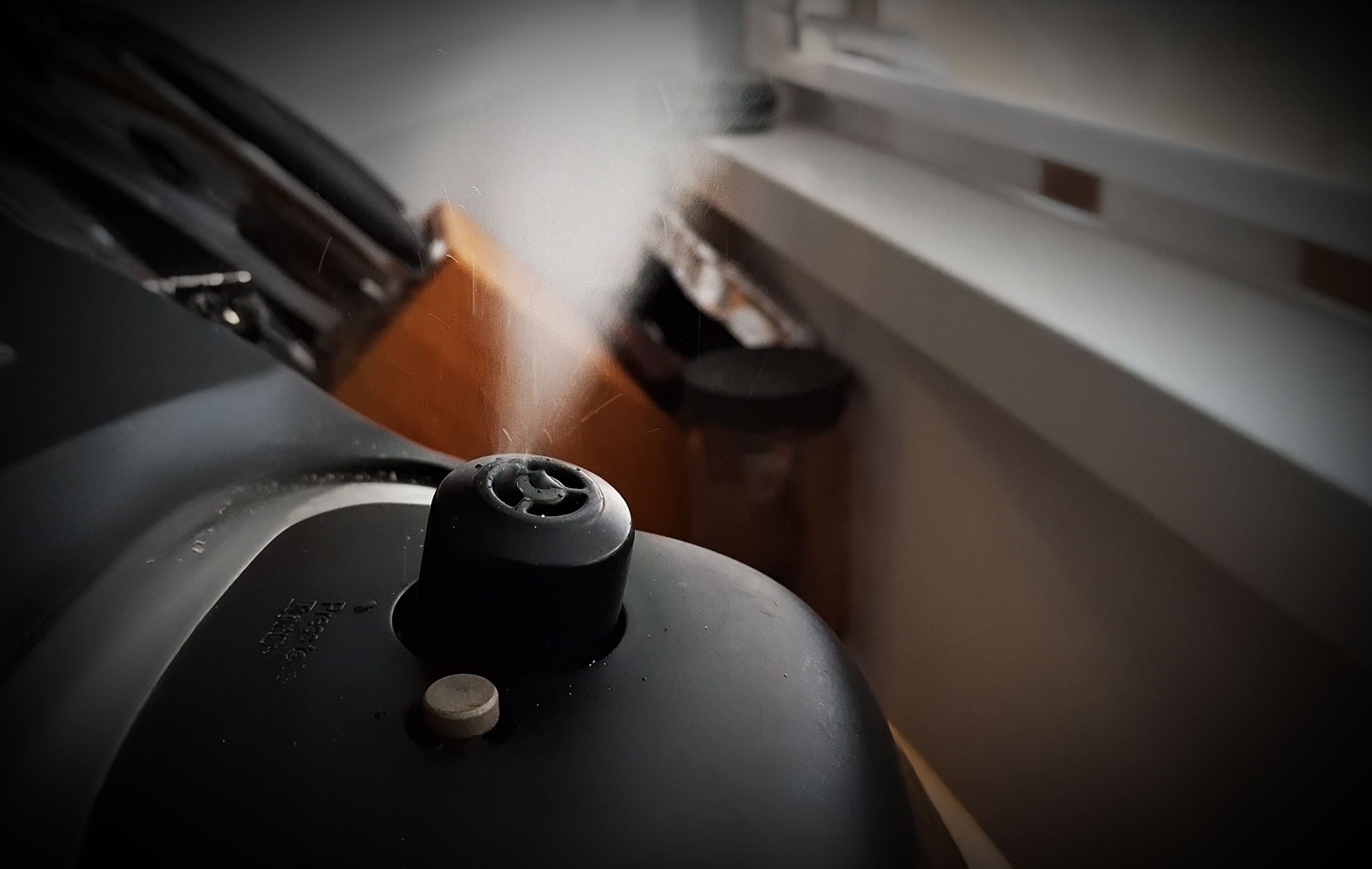
- Steam escapes from the lid
- The float valve stays down
- Food undercooks
Pressure cooking requires an airtight environment.
Most Common Reasons Your Instant Pot Is Not Sealing
- Sealing ring is dirty, twisted, or misaligned
- Float valve is stuck or clogged
- Steam release valve is set to Venting
- Not enough liquid in the pot
- Lid not fully locked
- Food debris blocking the rim
- Worn or stretched silicone sealing ring
7 Proven Fixes for Instant Pot Not Sealing
1. Check the Steam Release Valve
Make sure the steam release valve is set to Sealing, not Venting.
Quick win: A surprising number of “Instant Pot not sealing” reports come down to the valve being left on Venting. Check this before replacing anything.
2. Clean the Silicone Sealing Ring
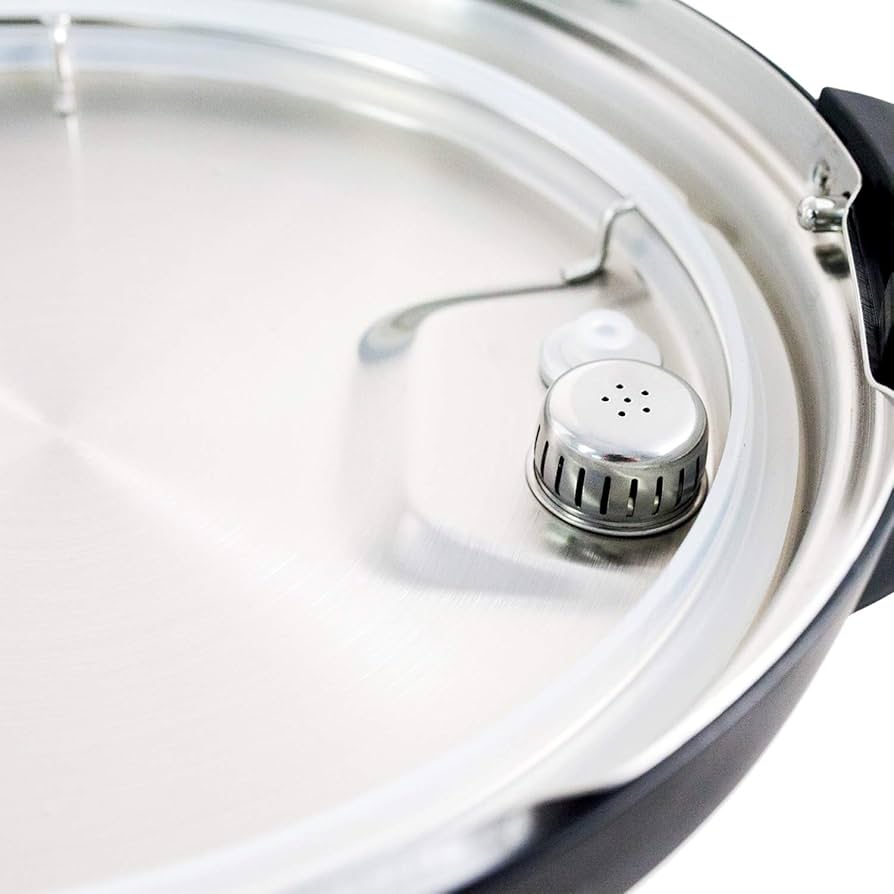
The sealing ring is the most common reason an Instant Pot won’t seal.
How to clean it:
- Remove it from the lid
- Wash with warm soapy water
- Rinse thoroughly
- Dry completely
- Reinstall evenly in the groove (no twists)
Pro tip (higher success rate): Keep two rings — one for savory foods and one for sweet dishes — to reduce odor transfer and keep the silicone in better shape.
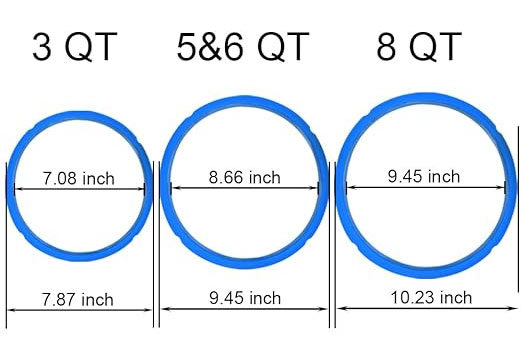
Buy an official Instant Pot sealing ring on Amazon
If the ring feels stretched, won’t stay seated, or keeps leaking after cleaning, replacement is likely the fix.
3. Inspect and Clean the Float Valve
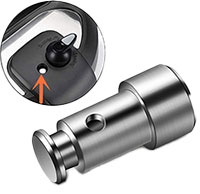
The float valve must move freely to seal pressure.
Check for:
- Food debris or sticky residue
- A damaged mini silicone cap (under the lid)
Press it gently up and down. It should move smoothly.
Common fix: A quick clean around the float valve (top and underside) often restores sealing without replacing parts.
Replace the Instant Pot float valve kit on Amazon
4. Make Sure the Lid Is Fully Locked
Align the lid properly and rotate until fully locked.
If it feels loose:
- Recheck that the sealing ring is seated correctly
- Confirm nothing is caught on the rim
5. Add Enough Thin Liquid
Your Instant Pot needs enough liquid to create steam and build pressure. In most recipes, that means at least 1 cup of thin liquid (water or broth).
Too little liquid can cause:
- Failure to pressurize
- Steam escaping
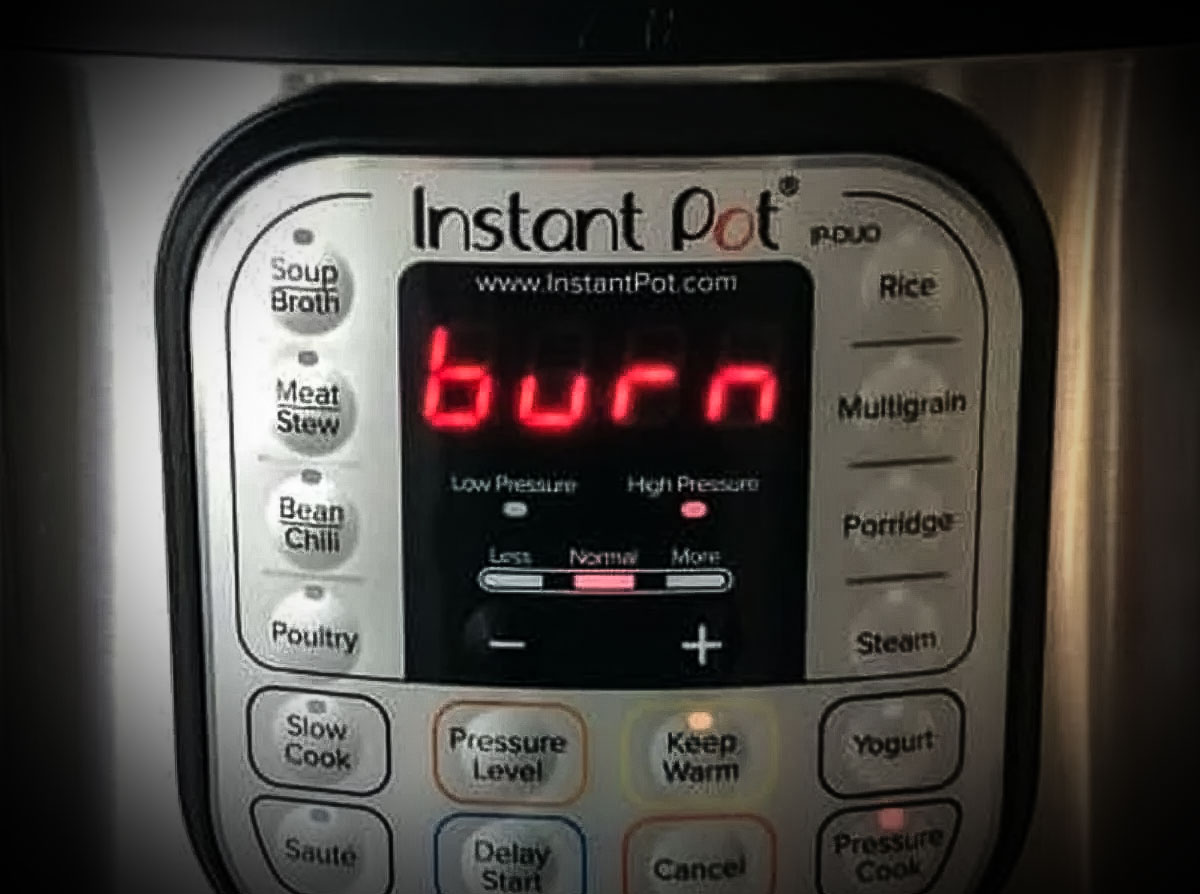
- A Burn warning
Important: Thick sauces don’t generate steam well on their own. If you’re cooking with thick liquids, add water/broth (or layer thin liquid first).
6. Clean the Lid Rim and Pot Edge
Even tiny food particles can break the seal.
Wipe clean:
- The lid rim
- The sealing ring channel
- The top edge of the inner pot
Dry everything before cooking.
7. Replace the Sealing Ring If Needed
Replace the ring if you notice:
- Cracks, tears, or warping
- Stretching (ring feels loose)
- Persistent steam leaks after cleaning/reseating
- Ring repeatedly slipping out
Best-buy tip: Multi-pack sealing rings are often cheaper per ring and give you a backup when one wears out.
Shop Instant Pot replacement sealing rings on Amazon
Most users replace sealing rings every 12–18 months, sooner with heavy use.
How to Run a Water Test (To Confirm It’s Fixed)
- Add 2 cups of water
- Lock the lid
- Set Pressure Cook for 5 minutes
- Watch for the float valve to rise and for the pot to stop venting from the lid edges
Quick check: If steam leaks from the sides during the water test, the sealing ring is still the #1 suspect (mis-seated, dirty, or worn).
When to Replace a Part
| Symptom | Most likely fix |
|---|---|
| Steam leaking from sides | Replace sealing ring |
| Float valve won’t move freely | Clean or replace float valve cap |
| Burn warning and won’t seal | Add more thin liquid |
| Lid won’t close/lock | Reseat sealing ring; check alignment |
How to Prevent Instant Pot Sealing Problems
- Clean the sealing ring after every use
- Avoid frequent dishwasher cycles for the ring (can speed up wear)
- Keep a spare ring on hand
- Always confirm valve is set to Sealing
- Store the lid upside down between uses
FAQ
Why is my Instant Pot leaking steam from the sides?
Usually the sealing ring is misaligned, dirty, or worn out.
Why is the float valve not popping up?
It may be clogged, the valve may be set to Venting, or there may not be enough liquid to build pressure.
Can I cook if my Instant Pot isn’t sealing?
No. It won’t build pressure properly and food may undercook.
How often should I replace the sealing ring?
About every 12–18 months, or sooner if you see damage or persistent leaks.
Does the dishwasher damage the sealing ring?
Frequent dishwasher use can accelerate silicone wear and stretching. Hand washing often helps it last longer.
Why does my Instant Pot show a Burn warning and not seal?
This often happens when there isn’t enough thin liquid, or the contents are too thick to generate steam.
Related Troubleshooting Guides
- Complete Instant Pot Troubleshooting Guide
- Instant Pot Not Pressurizing
- Instant Pot Lid Won’t Close
- Instant Pot Steam Release Issues
- Instant Pot Error Codes Explained